Monsoon is the most misunderstood travel season in India. Most people either avoid it completely, assuming every state turns into one giant downpour, or they book a hill station without realising it might be shut in behind fog for three days straight.
The truth sits in between. India during the monsoon is really several different weather systems happening at once across a country this size, and where you end up decides whether you get thundering waterfalls, bone-dry sunshine, or something gentler in between.
At Shree Krishna Travel World, we plan monsoon trips every single year for travellers who want the season’s real upside: saturated green landscapes, thinner crowds at usually packed viewpoints, and hotel rates that often run 25 to 30 percent lower than peak season. This guide breaks down exactly where to go in 2026, what to genuinely expect on the ground, how much to budget, and where to steer clear of this year. We have also added a month-by-month breakdown, a decision framework if you are unsure which type of monsoon trip suits you, and a full packing and safety checklist, none of which most monsoon travel guides bother to include.
How the 2026 Monsoon Is Shaping Up
The southwest monsoon typically makes landfall over Kerala in the first week of June and progresses across the country through July and August, before withdrawing by late September or early October. Rainfall intensity varies a lot by region and by year, so it is worth checking the India Meteorological Department’s seasonal outlook a few weeks before you travel, along with the specific district’s tourism and disaster management advisories.
A few general patterns hold true most years and are worth planning around.
- The Western Ghats, running through Maharashtra, Karnataka, and Kerala, receive the most consistent and heaviest rainfall of any inhabited belt in the country.
- The Northeast, particularly Meghalaya, sees rainfall levels that are genuinely extreme by global standards, not just Indian ones.
- The trans-Himalayan regions of Ladakh and Spiti sit in a rain-shadow and stay largely dry through the season.
- Rajasthan and central India get a lighter, more intermittent monsoon, with short bursts of rain rather than continuous downpours.
- The east coast, including Tamil Nadu and Puducherry, gets its heavier monsoon later in the year from the northeast monsoon, so the southwest monsoon months are comparatively gentle there.
A practical rule we give every client, regardless of destination: monsoon weather in the hills can change within hours. Always keep at least one buffer day in your itinerary, especially if you are driving through ghat sections, crossing rivers, or relying on a single access road.
How to Choose the Right Monsoon Destination for You
Not every monsoon trip should look the same, and the biggest planning mistake we see is travellers picking a destination based on Instagram photos rather than what they actually want out of the trip. Ask yourself these questions first.
Monsoon Destinations in India, Region by Region
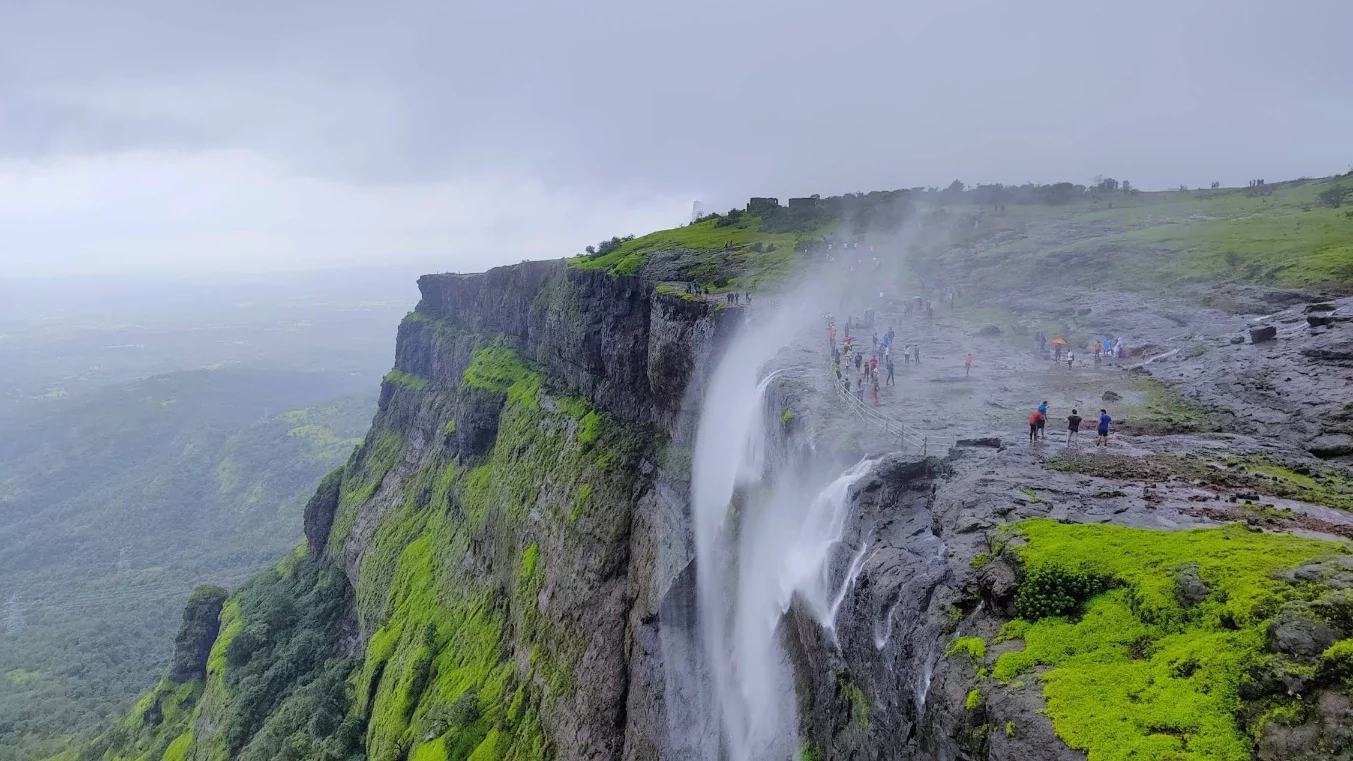
1. Western Ghats, Maharashtra: Weekend Waterfall Country
This is the most convenient monsoon escape for anyone based in Mumbai or Pune, and it is where we book the highest volume of monsoon trips every year.
Lonavala and Khandala turn into a green corridor of temporary waterfalls within a two hour drive from either city. Tiger Point remains the classic vantage point for watching clouds drift below eye level, and local vendors selling roasted corn along the ghat road are as much a part of the experience as the waterfalls themselves. The Karla and Bhaja caves, carved into the hillside over two thousand years ago, are also far less crowded in monsoon than in winter. Do note that several popular spots, including sections near Bhushi Dam, come under local prohibitory orders during peak rain for safety reasons, so it is worth checking current restrictions before you go rather than assuming everything is accessible.
Mahabaleshwar gets some of the heaviest rainfall of any hill station in the state, often crossing 1,000 mm in July alone. Arthur’s Seat is worth the detour purely for the updraft phenomenon where light objects thrown off the edge appear to float back up rather than fall. Venna Lake stays draped in fog for most of the day, and while the famous strawberry season is technically over by monsoon, the local Mapro Garden stalls still sell preserves, syrups, and ice creams year round.
Matheran, Asia’s only vehicle-free hill station, is best walked slowly rather than rushed. The toy train usually pauses for the season, so you will reach the base at Dasturi and continue on foot, by horse, or by hand-pulled rickshaw. The red laterite soil trails between viewpoints are especially striking after rain.
Alibaug, a short ferry ride from the Gateway of India, is the most accessible coastal monsoon destination for Mumbai residents. Swimming is not advisable here in the rains because of rough seas, but watching dark Arabian Sea storm clouds roll in from a beachfront villa is genuinely one of the more cinematic monsoon experiences near the city. The 17th century Kolaba Fort is only accessible on foot at low tide, so check tidal timings before attempting the walk.
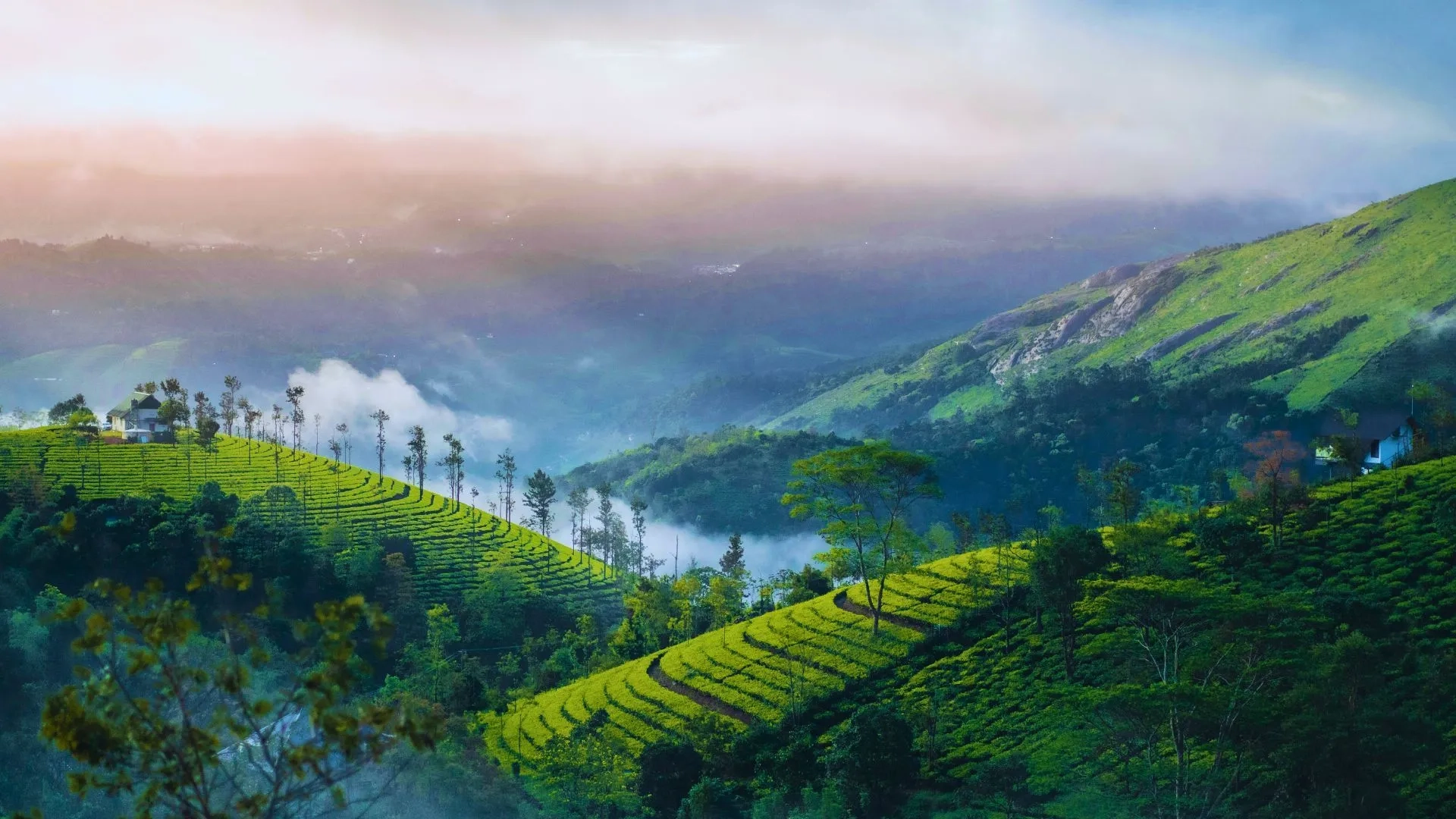
2. Western Ghats, South: Coffee, Tea, and Deep Green Hills
Karnataka and Kerala catch the full strength of the southwest monsoon, which is exactly what makes this belt so photogenic and, for many travellers, the definitive Indian monsoon experience.
Coorg (Kodagu) smells noticeably different after every downpour, thanks to the coffee estates releasing their aroma into wet air. Abbey Falls and Iruppu Falls, which are underwhelming in summer, become full force curtains of white water by July. Local Kodava cuisine, built around pork curry, bamboo shoot preparations, and rice dumplings called kadambuttu, pairs particularly well with a cold, rainy afternoon.
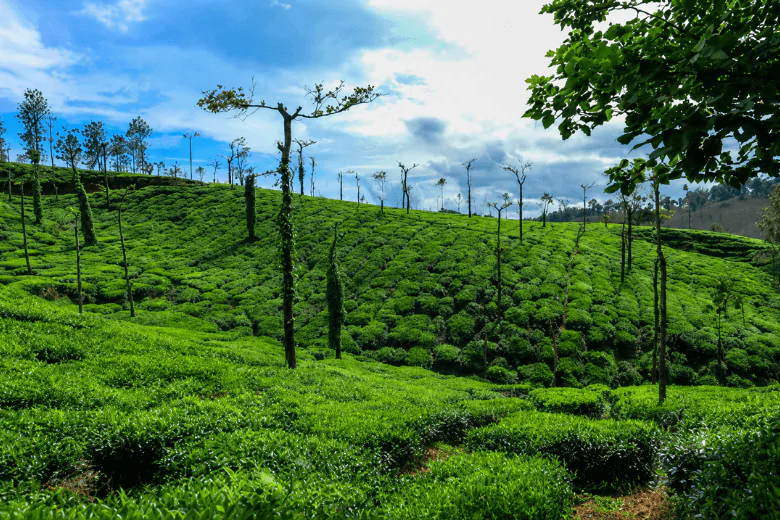
Chikmagalur, Coorg’s quieter neighbour, is best visited early or late in the monsoon rather than at the August peak, when trails around Mullayanagiri and Hebbe Falls get slippery and leech activity increases sharply.
Agumbe deserves a special mention for travellers who genuinely love rain rather than merely tolerate it. It averages around 7,620 mm of rainfall a year and has earned the nickname the Cherrapunji of the South. Manage your expectations around the famous sunset point, which is frequently clouded out entirely during peak monsoon. The reward here is immersive rainforest atmosphere, not necessarily a clear horizon.
Munnar’s tea gardens turn a shade of green you genuinely do not see in dry months, contrasting sharply against the red laterite soil visible through the mist. Daytime temperatures stay comfortable, usually between 15°C and 22°C, which makes it one of the more livable monsoon hill destinations in the south. The Attukal Waterfalls reach peak power in July, and the Tea Museum makes for a warm, dry refuge between showers.
Wayanad is worth a special mention for wildlife spotters. Cooler, wetter weather pushes animals closer to forest edges, so early morning safaris in the buffer zones tend to have better sightings than in peak summer heat. Bamboo rafting on the Kabani river is one of the more peaceful ways to experience the forest during the wet season. Note that the Mundakkai-Chooralmala area remains an officially restricted zone following past landslide activity, and access is checkpoint controlled, so this specific pocket should be avoided regardless of the season.
Kodaikanal, known locally as the Princess of Hill Stations, sits at 2,133 metres and spends much of the monsoon wrapped in slow moving cloud. The star shaped Kodaikanal Lake and the roughly five kilometre walking path around it, past pine forest and small cafes, is one of the most pleasant low effort activities in the entire southern Ghats.
A local tip we always pass on to clients heading into this belt: carry salt or a leech repellent spray if you are trekking anywhere between July and August. It is a minor discomfort that catches first time visitors off guard every year, and a small precaution avoids a genuinely unpleasant surprise.
Explore our South India and Kerala tour packages covering Coorg, Munnar, and Wayanad together.
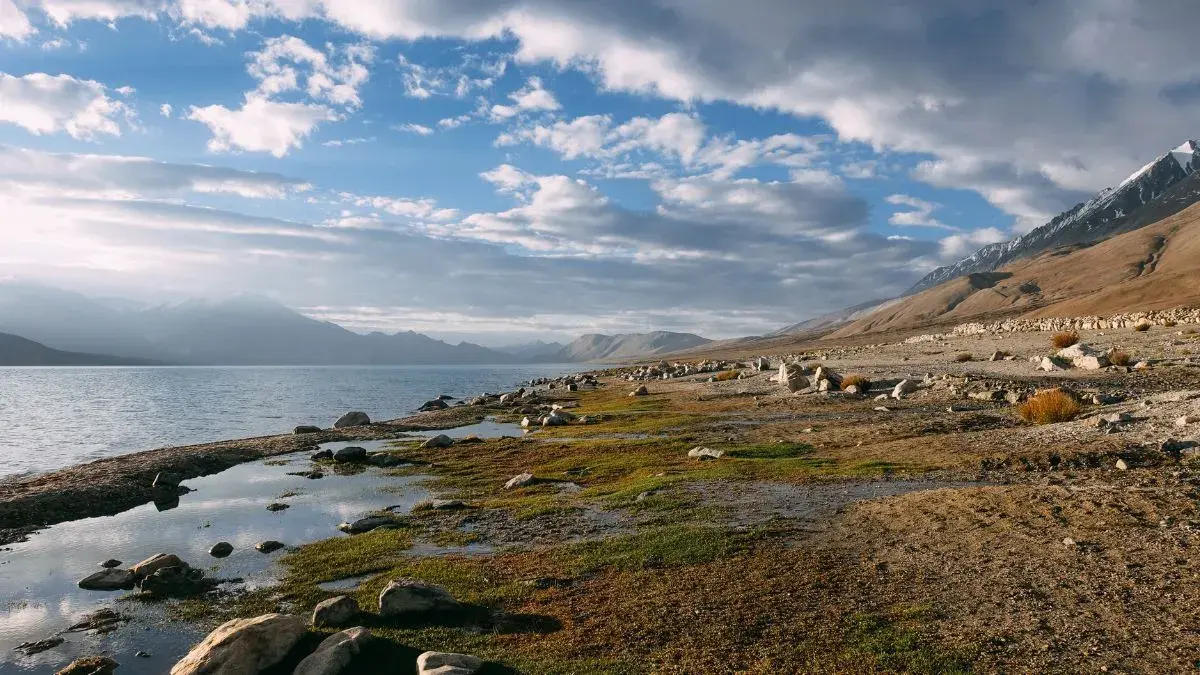
3. The Rain-Shadow Himalaya: Where Monsoon Barely Reaches
If you want a genuinely dry, sunny trip during the monsoon months, this is the loophole most travellers do not know about, and it is one of the biggest content gaps in most monsoon guides.
Ladakh sits in the Himalayan rain-shadow, meaning monsoon clouds rarely cross the high passes to reach the Leh valley. July and August are actually peak season here, with clear skies over Pangong Lake, the Nubra Valley, and the region’s Buddhist monasteries. The only real risk sits on the approach, since routes via Manali or Srinagar do cross monsoon affected terrain at lower altitudes. Always check road status before committing to a fixed travel date, and build in slack rather than a same day flight connection immediately after an overland leg. Our Kashmir and Ladakh packages can help plan a monsoon-safe route.
Spiti Valley, similarly dry and stark, sits further south in Himachal Pradesh. The Manali to Kaza road opens seasonally and can see single lane sections and delays depending on landslide activity from the previous year’s monsoon, so it is worth checking the district road status portal shortly before departure rather than relying on older information.
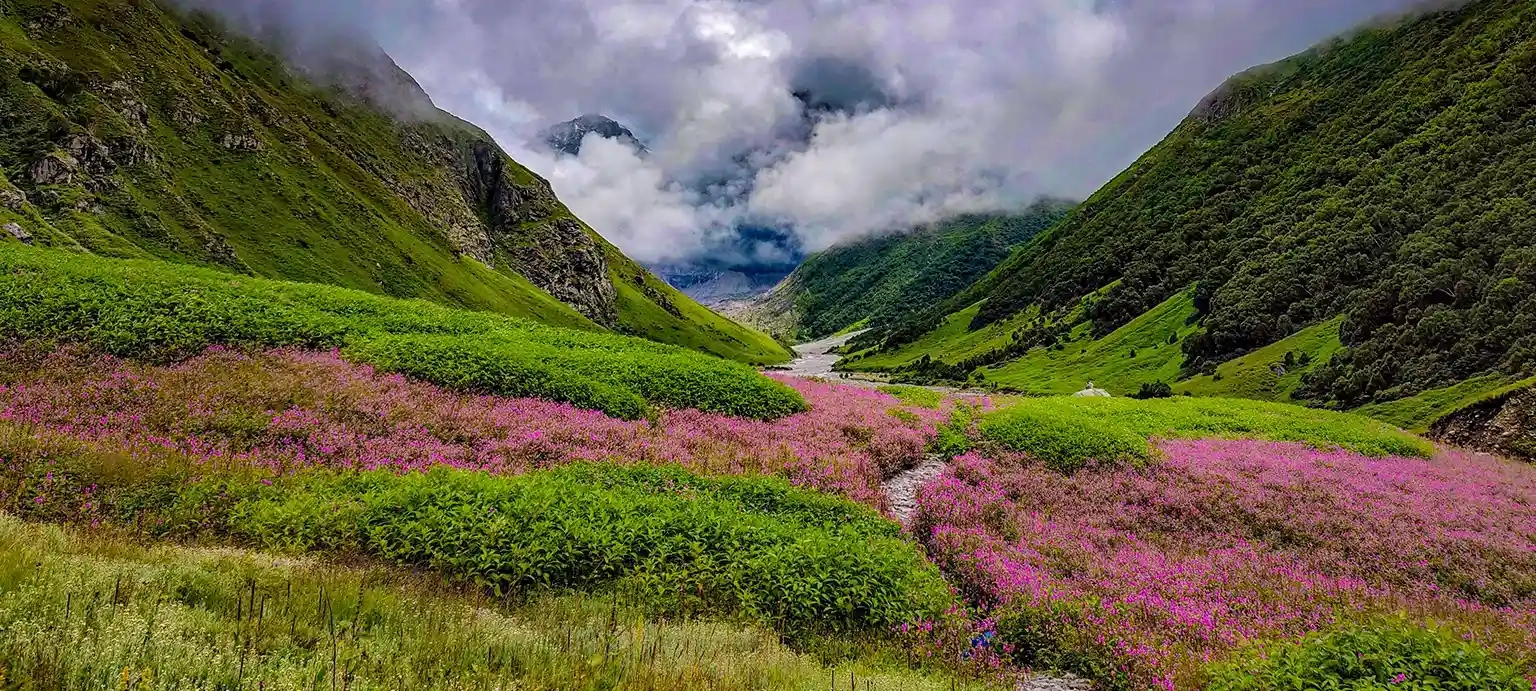
Valley of Flowers, in Uttarakhand, is the rare destination that is genuinely better because of the monsoon rather than despite it. The alpine bloom, including the Himalayan blue poppy and Brahma Kamal, peaks in mid-July to mid-August, and the national park stays open through the season for day treks based out of Ghangaria village. It is worth noting this is a day trek only, with no overnight stay permitted inside the park itself.
Shoja and Jalori Pass, in Himachal’s Banjar and Tirthan valley belt, offer a quieter, gentler alternative for travellers who want green hills without Manali’s crowds or Spiti’s rougher roads. Rainfall here is moderate rather than light, but the terrain is considerably easier to navigate.
4. Meghalaya: Rain at Its Most Extreme
Cherrapunji, also known locally as Sohra, and nearby Mawsynram are consistently ranked among the wettest inhabited places on earth, and June through August is when that reputation is most visible on the ground.
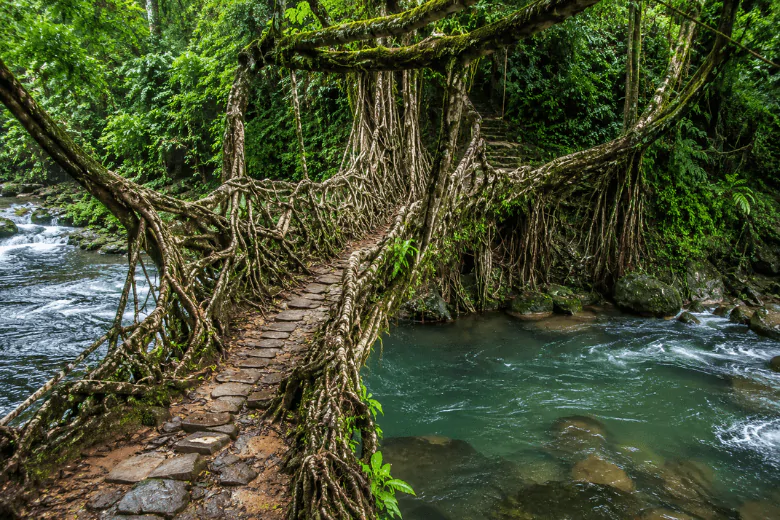
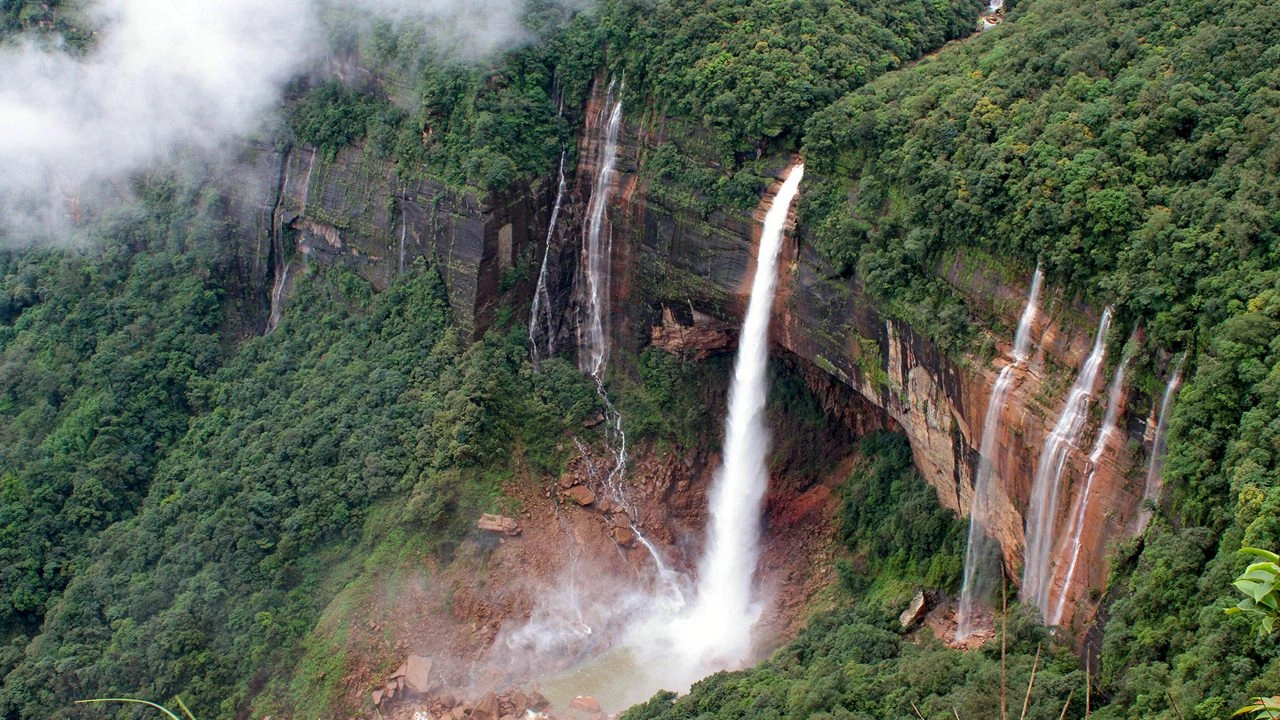
Cherrapunji once held the world record for highest annual rainfall ever recorded, and single months during peak monsoon can regularly bring over 1,500 mm of rain. The Nohkalikai Falls, India’s tallest plunge waterfall at around 340 metres, are at their most powerful during this window. The Living Root Bridges of the Khasi people, engineered over generations by training the aerial roots of rubber fig trees across rivers, are specifically built to withstand this kind of rainfall and remain safe to cross even in heavy showers, growing structurally stronger with age.
The Double Decker Root Bridge trek near Nongriat village involves a demanding descent and ascent of roughly 3,500 steps each way and typically takes four to six hours round trip. A local guide is strongly recommended, both for navigation and because trail conditions change quickly in heavy rain.
This trip is not for everyone, and we are always upfront with clients about that. Go in expecting near constant rain across most days, and treat the waterfalls and root bridges as the reward for embracing the weather rather than working around it.
5. Rajasthan and Central India: Monsoon Without the Mud
For travellers who want atmosphere without dealing with landslide risk or flooded trekking trails, this belt is genuinely underrated and rarely gets the attention it deserves in monsoon travel content.
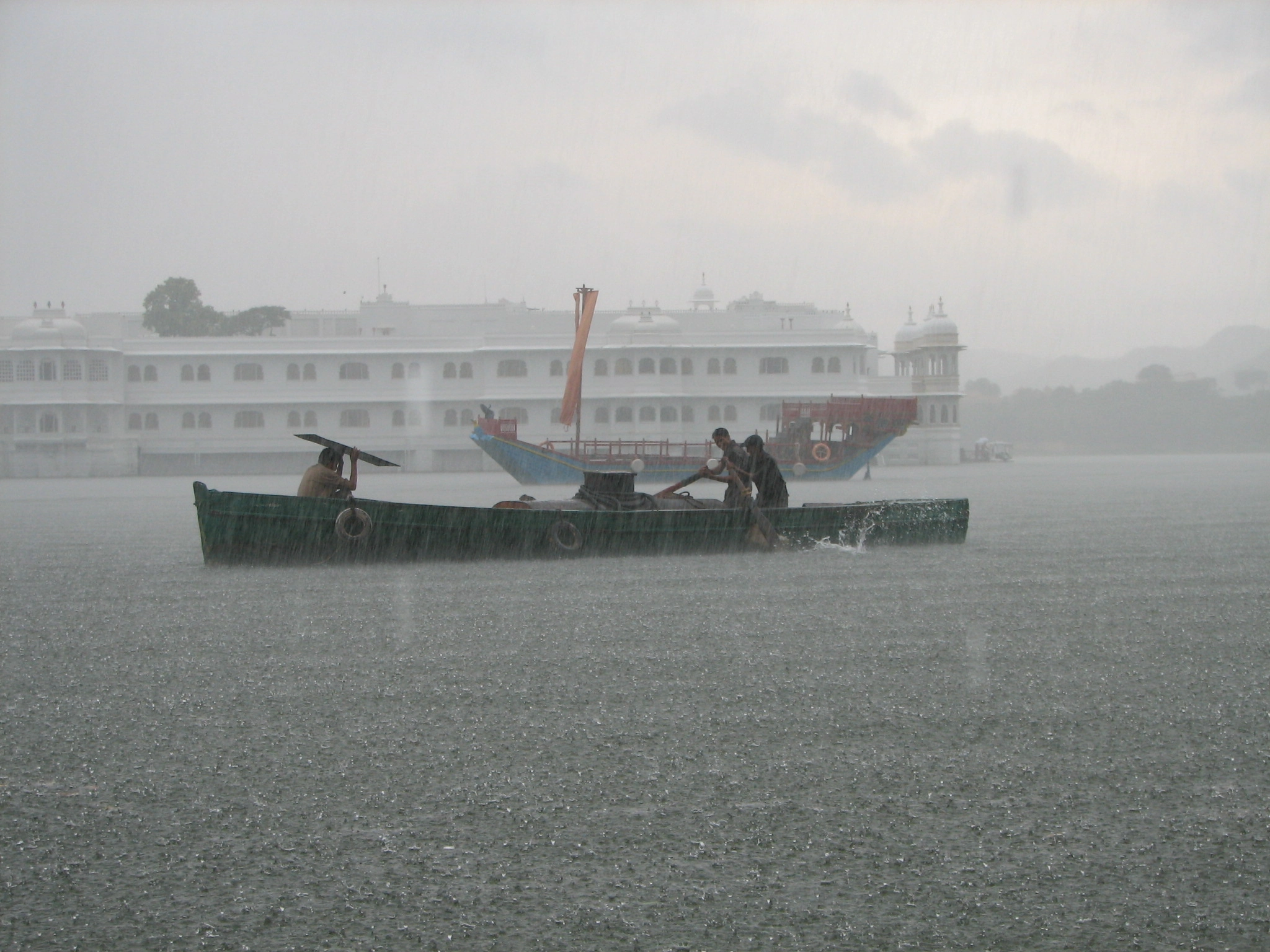
Udaipur’s lakes fill up noticeably by July, and the white marble palaces against a dark, cloud heavy sky make for some of the best photography conditions of the year. Lake Pichola and Fateh Sagar Lake both look considerably more dramatic than in the dry, low water months. The Monsoon Palace, or Sajjangarh, was deliberately built on a hilltop specifically to watch the season’s approaching rains, and it lives up to its name. Browse our Rajasthan heritage tour packages for a monsoon itinerary through Udaipur.
Mount Abu, Rajasthan’s only hill station, sits at 1,220 metres in the Aravalli range and offers a cool green break from the scorching plains below. Nakki Lake looks especially clear after rain, and the 11th century Dilwara Temples, considered among the finest examples of Jain marble craftsmanship anywhere in India, are noticeably less crowded than in peak winter season.
Orchha, one of India’s most underrated UNESCO listed heritage towns, sees its 16th and 17th century Bundela dynasty architecture turn a rich, textured tone when wet. The Betwa river, which loops around the town on three sides, fills and quickens during monsoon.
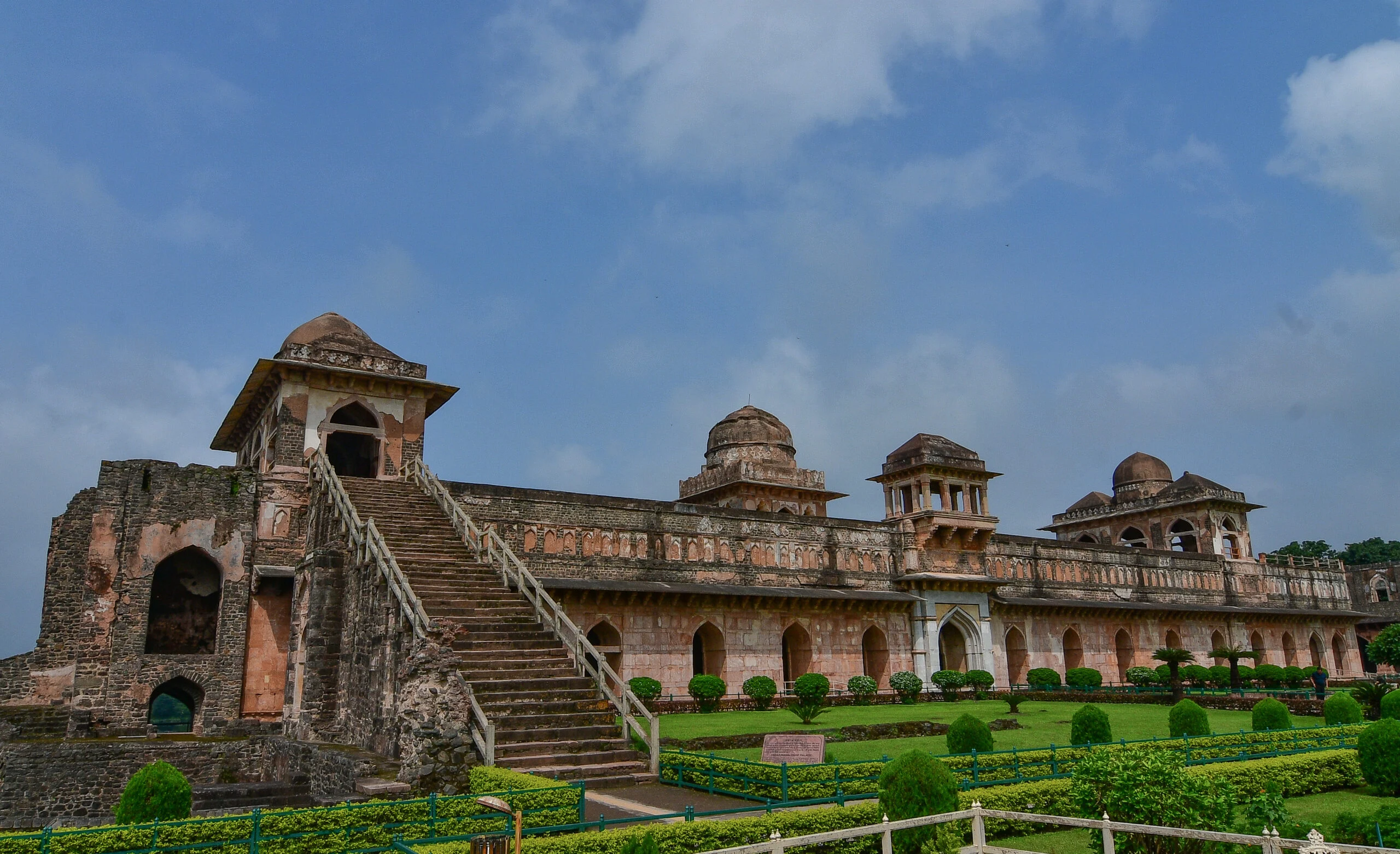
Mandu, in Madhya Pradesh, is a 10th century fort city that was actually designed with the monsoon in mind by its original rulers. The Jahaz Mahal, or Ship Palace, sits between two lakes, and by July the water rises high enough that the structure genuinely appears to float. The centuries old love story of Sultan Baz Bahadur and poet-singer Rani Roopmati, commemorated in pavilions overlooking the Narmada valley, is best experienced here in the rain rather than dry season. Our Madhya Pradesh heritage tour packages cover Mandu and the wider region.
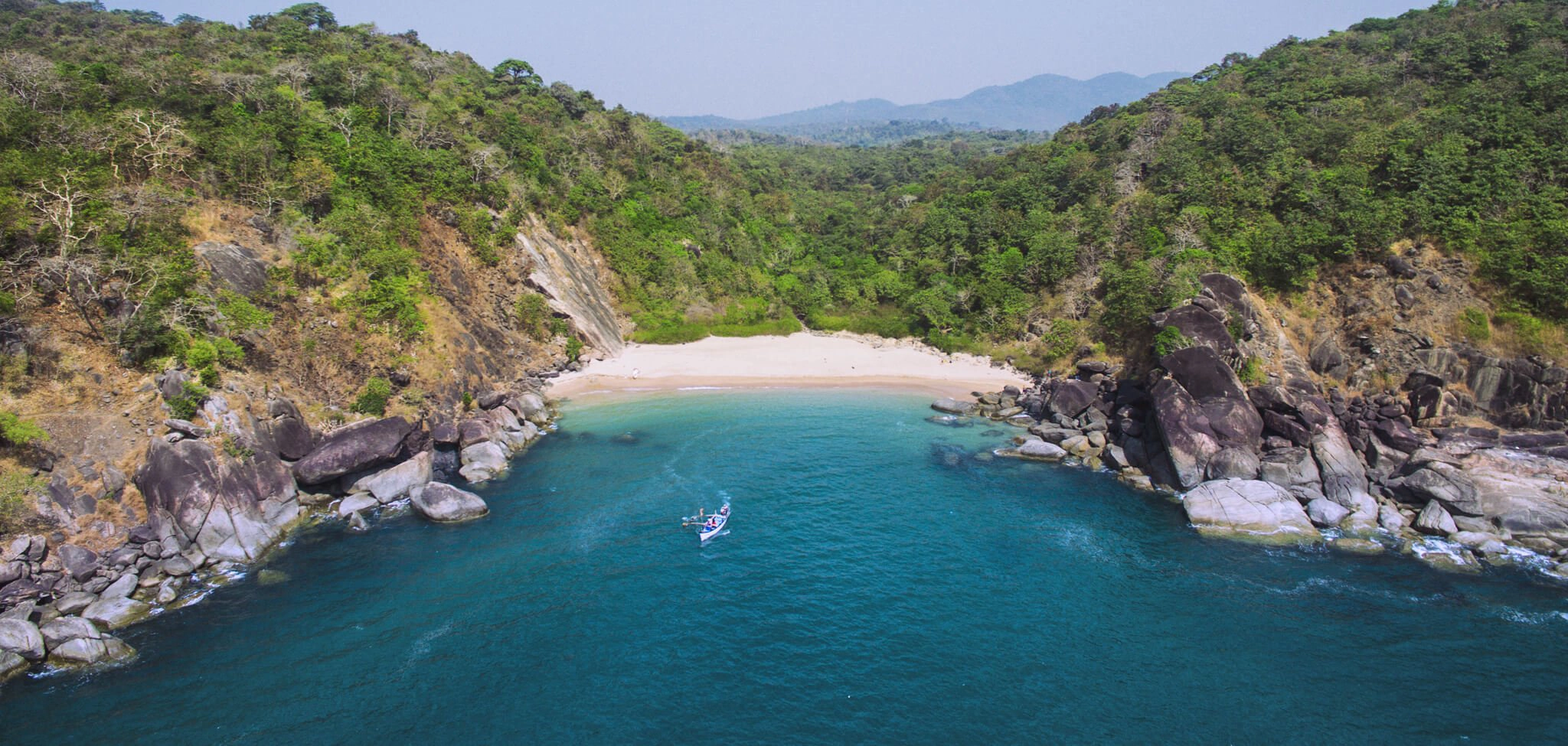
6. Off-Season Coast: Goa, Gokarna, and Puducherry
Monsoon Goa is a completely different destination from the one most travellers know, and it deserves to be treated as its own category rather than an afterthought.
South Goa in the off-season is lush, dramatic, and noticeably cheaper. Beaches are near empty and the hinterland spice plantations are at their most vivid. The Dudhsagar Falls run at full roar. The one hard rule to know before booking: swimming is red flagged across Goa’s beaches from June to September because of dangerously rough seas, and organised water sports are suspended for the same reason. This is a trip for the land side of the state, not the water.
Gokarna, quieter and more budget friendly than Goa, offers a similar temple town calm with beaches largely to yourself. The same sea safety rules apply here.
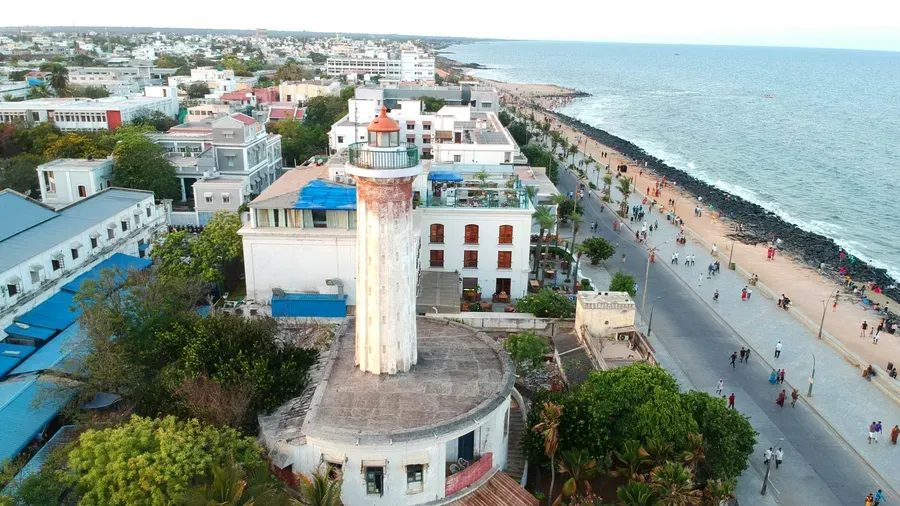
Puducherry is the outlier on this list in a good way. Because the region gets its heavier monsoon later in the year from the northeast monsoon, the southwest monsoon months bring short, intense bursts of rain followed by fast clearing skies. This means you can realistically walk the promenade and explore the French Quarter between showers rather than being confined indoors for hours at a time. The saffron and ochre colonial buildings look especially vivid against a grey sky, and the French-Tamil cafe scene pairs well with a rain interrupted afternoon.
Monsoon Destinations Compared
| Destination | Best For | Rainfall Level | Ideal Trip Length | Approx. Budget (per person, per day) | Watch Out For |
|---|---|---|---|---|---|
| Lonavala & Mahabaleshwar | Quick weekend trips | Heavy | 2–3 days | ₹3,000–₹6,000 | Local access restrictions at peak flow |
| Coorg & Munnar | Coffee/tea estates, cooler weather | Heavy | 4–5 days | ₹3,500–₹7,000 | Leeches on forest trails |
| Ladakh & Spiti | Dry, sunny road trips | Very light (rain-shadow) | 6–8 days | ₹5,000–₹9,000 | Approach road closures |
| Cherrapunji | Extreme rain experience, root bridges | Extreme | 4–6 days | ₹3,500–₹6,500 | Long, slippery treks |
| Udaipur & Mandu | Heritage without heavy rain | Light to moderate | 3–4 days | ₹3,500–₹7,000 | Fewer, but still check local forecasts |
| Goa & Gokarna | Empty beaches, low prices | Heavy | 3–4 days | ₹2,500–₹5,500 | No swimming, sea sports suspended |
Budget ranges above are indicative and cover stay, local transport, and meals at a comfortable mid-range level. They will vary based on hotel category and whether you book flights versus road or rail travel.
Monsoon Month by Month: June, July, August, September
- June is arrival month for the monsoon across most of the country. Kerala and coastal Karnataka see the season’s first heavy spells, while Rajasthan and central India still get only intermittent showers early in the month. This is a good window if you want the earliest, freshest greenery without the absolute peak rainfall of July.
- July is the wettest month almost everywhere except the rain-shadow zones. This is peak season for waterfalls in the Western Ghats and Meghalaya, and it is also when Ladakh and Spiti see their most reliable clear weather. If your priority is maximum waterfall power, plan for July.
- August brings a slight easing in some regions, particularly parts of Kerala and Karnataka, though Meghalaya and the core Western Ghats stay consistently wet. This is also peak bloom season for the Valley of Flowers. Trekking trails in the southern Ghats tend to be at their most slippery and leech-prone this month.
- September is a transitional month. Rainfall becomes more intermittent in most regions, monsoon greenery is still at its most lush, and destinations like Chikmagalur and Cherrapunji see somewhat easier trekking conditions than in July or August. This is often our recommendation for travellers who want the monsoon look without committing to the heaviest rain.
Common Monsoon Travel Mistakes We See Every Year
- Booking a hill station without a buffer day. Fog and landslide alerts can delay travel by a full day in the Himalayas and the Western Ghats, and a tight connecting flight or onward booking can unravel an entire trip.
- Assuming every waterfall spot is open. Many popular viewpoints come under seasonal safety restrictions during peak flow. Confirm current status rather than relying on last year’s information or older blog posts.
- Packing a regular umbrella for the hills. Wind driven rain in places like Mahabaleshwar or Munnar makes a standard umbrella nearly useless. A proper rain jacket matters far more.
- Planning a wildlife safari without checking park closures. Several national park core zones, including Ranthambore and Kaziranga, close for parts of the monsoon for breeding season protection.
- Ignoring tide timings on coastal forts. Places like Kolaba Fort near Alibaug are only walkable at low tide, and the water rises faster than most first-time visitors expect.
- Overpacking the itinerary. Monsoon travel moves slower than dry season travel because of weather delays, slippery roads, and shorter daylight windows in the hills. Two well-paced destinations usually beat three rushed ones.
- Skipping travel insurance. Given the higher chance of weather-related delays and cancellations in monsoon, this is the one season where travel insurance genuinely earns its cost.
Monsoon Packing Checklist
- Waterproof rain jacket or poncho, since an umbrella alone is not enough in windy hill terrain
- Quick-dry synthetic clothing rather than cotton, which stays wet for hours
- Waterproof trekking shoes or rubber-soled sandals with good grip
- Dry bags or waterproof pouches for your phone, camera, and travel documents
- A light fleece or wool layer for cooler hill-station evenings, especially in Munnar, Coorg, and Kodaikanal, where nights can drop to 12–15°C
- Insect and leech repellent for any trekking in the Western Ghats belt
- A basic first-aid kit including rehydration salts, motion sickness tablets for ghat roads, and any personal medication
- A portable power bank, since hill-station power cuts are more common during heavy storms
- Ziplock bags for keeping paper tickets, cash, and permits dry
Monsoon Photography and Content Tips
Monsoon light changes fast, and the best shots usually come in short windows rather than all day. A few things we tell clients who travel specifically for photography.
- Golden hour gets replaced by a softer, more diffused light through cloud cover, which is actually more flattering for portraits and architecture shots than harsh dry-season sun.
- Waterfalls look most powerful about a day or two after a heavy spell, once upstream water has fully reached the fall, rather than during the rain itself when visibility is often poor.
- Carry a rain cover or dry bag for your camera at all times, and consider a lens cloth you can access quickly, since lens fogging is a constant issue in humid hill air.
- Early morning, right after overnight rain, is usually when mist sits lowest in valleys like Munnar and Coorg, giving the most dramatic layered shots.
Choosing a Monsoon Trip by Traveller Type
Monsoon Safety: What’s Closed or Restricted in 2026
The fastest way to derail a monsoon trip is to ignore a closure notice. Here is what is genuinely off the table between June and September in a typical year, much of which general travel guides leave out.
- Sandhan Valley, Maharashtra: the gorge trek is closed through the monsoon due to flash flood risk, typically reopening around November.
- Bhushi Dam and several Pune-district waterfalls: under monsoon prohibitory orders in most seasons, restricting deep water access and large gatherings near the flow. Check the current district notification before visiting.
- Wayanad’s Mundakkai-Chooralmala zone: an officially restricted area with checkpoint-controlled access following past landslide activity.
- Core wildlife safari zones: Ranthambore, several Madhya Pradesh reserves, and Kaziranga typically close their core zones for parts of the monsoon for breeding protection. Buffer zones and Periyar’s lake boat safari in Kerala generally remain open year-round.
- Beaches across Goa and Gokarna: swimming and organised water sports are suspended or red-flagged for the full June to September window.
- Himalayan approach roads: routes like Manali-Kaza and sections of the Shimla-Kinnaur corridor can close on short notice after landslide alerts. Always check live road status before departure rather than assuming last season’s conditions still apply.
Plan Your Monsoon Trip With Shree Krishna Travel World
Monsoon travel rewards good planning more than any other season in India. The difference between a trip that gets rained out and one that becomes the best holiday of the year usually comes down to picking the right region for what you actually want, and having a local team that knows current road, safety, and closure conditions rather than relying on outdated blog posts.
Shree Krishna Travel World has been putting together monsoon itineraries across Maharashtra, Kerala, Karnataka, Ladakh, Meghalaya, and Rajasthan for years, with real-time updates on what is open and what to skip this season, along with tailored packages for solo travellers, couples, families, and trekking groups.
Get in touch with our travel experts today to build a monsoon package suited to your dates, budget, and the kind of trip you are after, whether that is thundering waterfalls, dry mountain roads, or quiet heritage towns in the rain.