





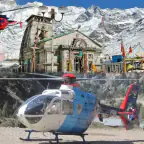









January in India is really three different trips depending on which direction you point the compass. Head north and you’re chasing snowfall in Kashmir or watching sunrise over the Char Dham peaks. Head south or to the coast and you’re in shorts, tracking down the last of the winter sun before it turns to summer heat by March. Head to the desert belt and you’re layering up for cold nights and warm, festival-lit days.
Most “best places to visit in January” lists treat India as one climate zone. It isn’t. That’s usually why travellers end up either freezing in Rajasthan without the right clothing, or overpacking woollens for a Kerala trip where they’ll never leave short sleeves. This guide is built around that reality, organised by what the weather and festivals actually look like in each region this month, not just a generic list of postcard names.
Why January Works Better Than People Expect
By January, the monsoon is long gone, the peak summer heat hasn’t started, and most of the country sits in a comfortable 15–28°C band outside the mountains. Three things make it a genuinely strong month to travel, not just an “off-peak is cheaper” pick.
- Visibility is at its best. Post-monsoon dust has settled and winter skies are usually clear, which matters a lot for places like Ladakh viewpoints, hill station photography, and wildlife safaris where haze ruins sightings.
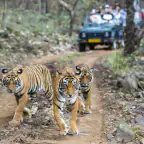
- Wildlife sightings improve. Waterholes shrink in winter, so animals cluster around fewer sources. Parks like Ranthambore and Bandhavgarh see some of their best tiger sighting rates of the year in January.
- The festival calendar is unusually dense. Makar Sankranti, Pongal, Lohri, the Rann Utsav, and several temple festivals all fall in this one month, which most travel guides mention only in passing.
January Weather by Region: What to Actually Pack
This is the table most articles skip, and it’s the one that prevents the most common packing mistakes.
| Region | Typical Day Temp | Typical Night Temp | What to Pack |
|---|---|---|---|
| Kashmir & Ladakh | 2–8°C | -8 to 0°C | Heavy thermals, down jacket, waterproof boots |
| Himachal (Manali/Shimla) | 5–12°C | -2 to 4°C | Thermals, insulated jacket, gloves |
| Rajasthan (desert belt) | 20–24°C | 4–9°C | Layered clothing: warm nights, mild days |
| Delhi & North Plains | 15–20°C | 5–9°C | Jacket for mornings/evenings, light layers by noon |
| Goa & Konkan coast | 28–32°C | 20–23°C | Light cottons, one light layer for evenings |
| Kerala backwaters | 27–31°C | 21–24°C | Breathable cottons, light rain layer (occasional showers) |
| Andaman Islands | 28–31°C | 23–25°C | Light clothing, reef-safe sunscreen |
| Northeast (Meghalaya/Darjeeling) | 12–18°C | 3–8°C | Mid-weight layers, windproof jacket |
Common mistake: Travellers pack for Rajasthan’s daytime warmth and freeze at night in the desert, or pack heavy for Kerala because “it’s winter” and end up carrying clothes they never wear. Match the layer, not the calendar.
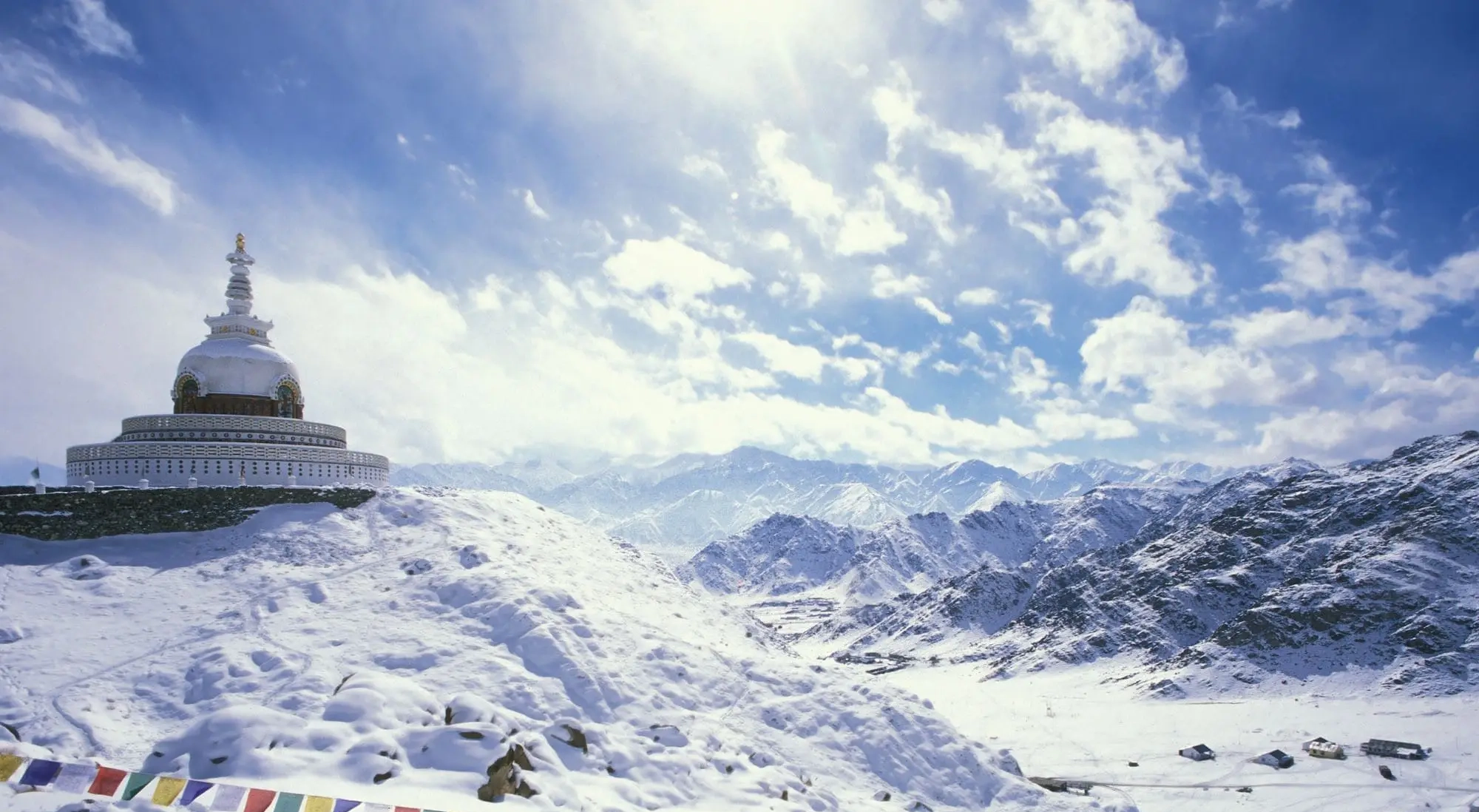
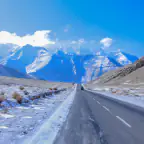
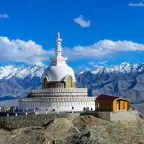
1. Kashmir & Ladakh: For Snow, Not Just Scenery
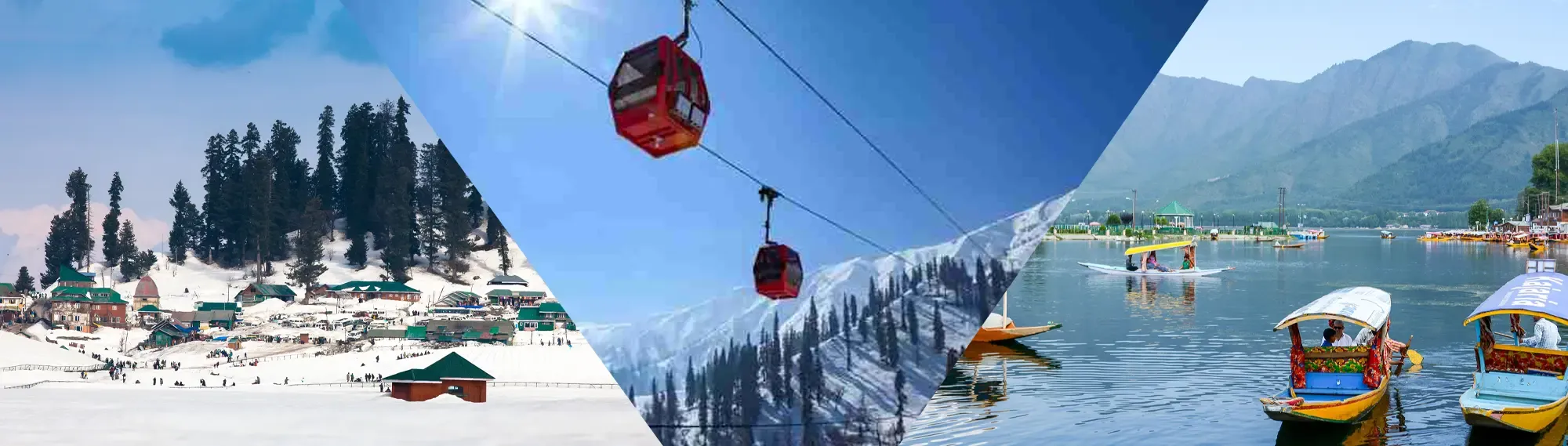
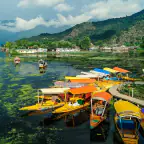
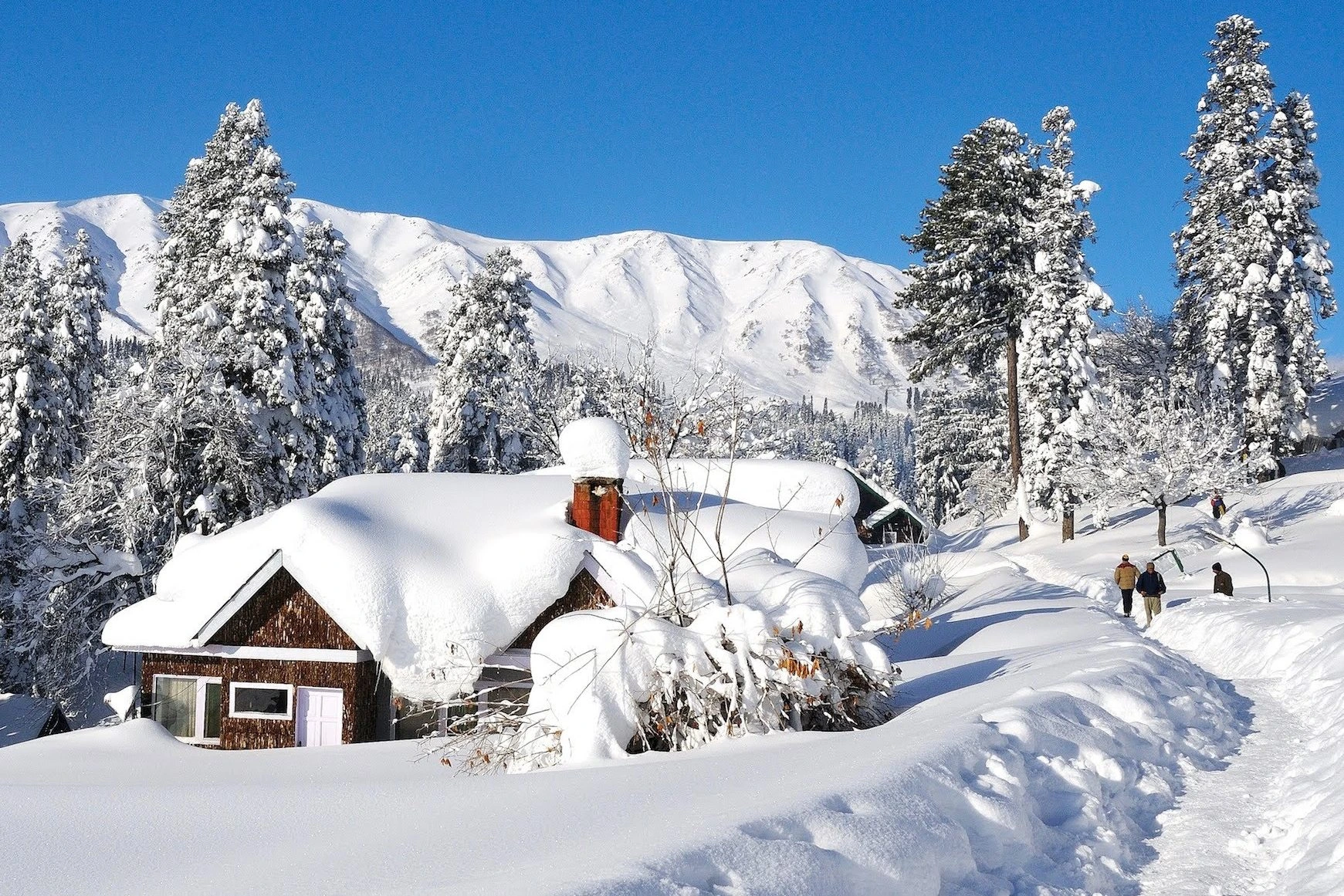
Kashmir in January is genuinely a different destination from Kashmir in April. Gulmarg gets serious snow accumulation, the Gondola runs through cloud cover for dramatic photos, and Dal Lake sometimes develops a thin ice layer near the edges, a sight most travellers never expect.
Explore our Kashmir tour packages to plan a winter trip around the snow, not just the scenery.
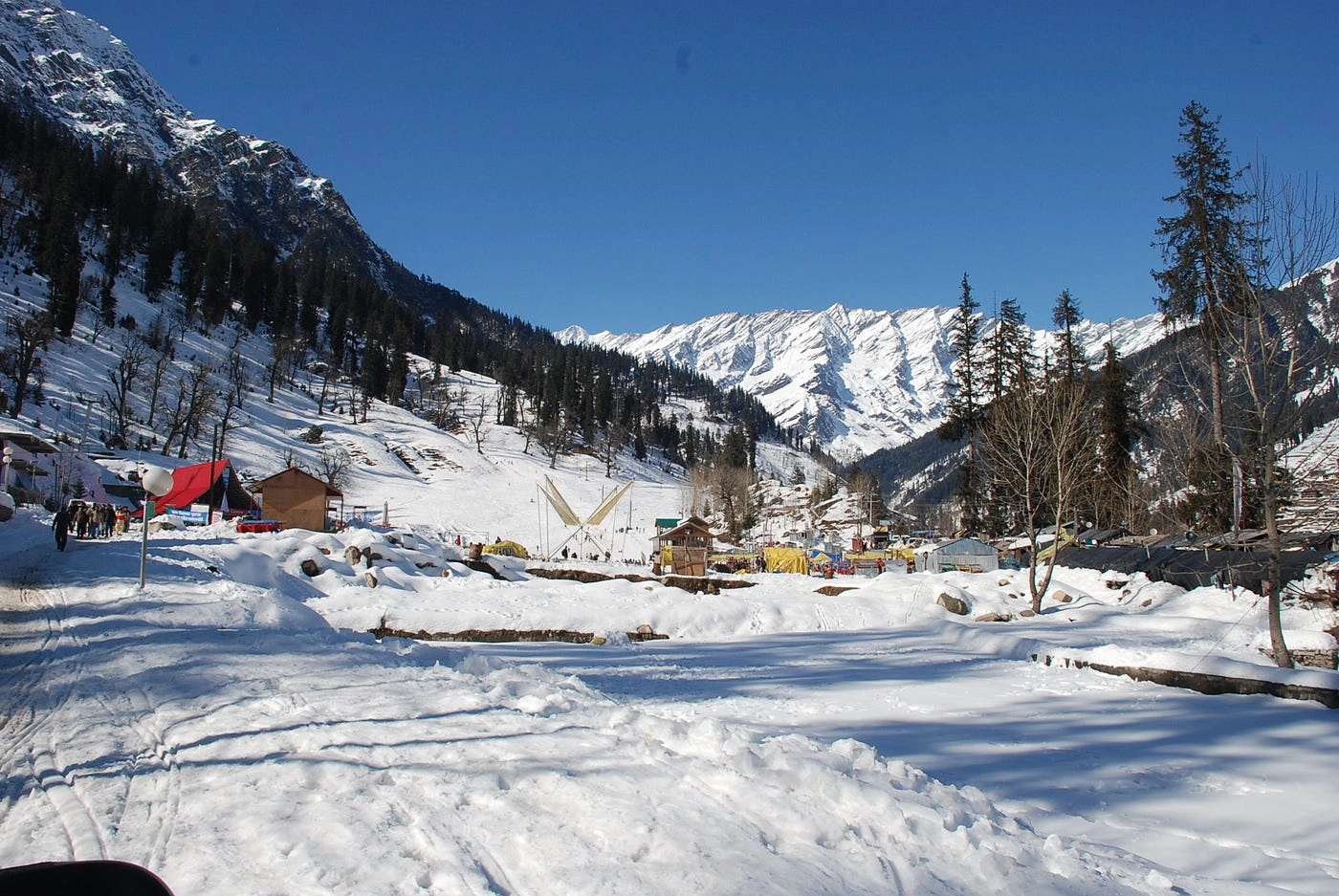
2. Himachal: Manali & Shimla for Accessible Snow
Manali and Shimla remain the easiest snow trips for families and first-timers because road access is far more reliable than Kashmir’s higher passes.
Browse our Manali & Shimla tour packages for an accessible, family-friendly snow holiday.
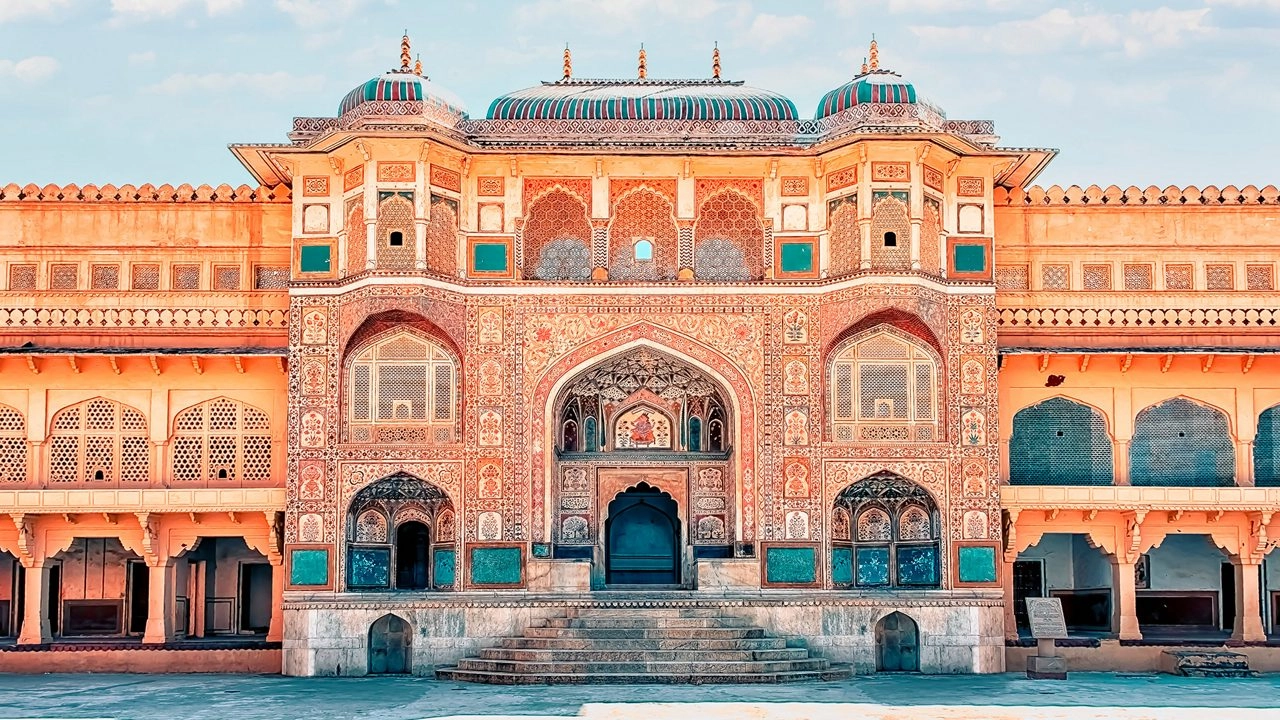
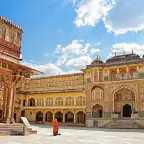
3. Rajasthan: The Underrated January Pick
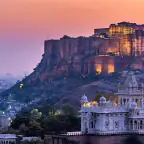
Rajasthan in peak summer is close to unbearable for sightseeing. In January, it’s arguably the most comfortable month of the year to actually walk around forts and old cities without needing shade every twenty minutes.
Local tip: January is also when the Jaipur Literature Festival typically runs, worth checking dates if that overlaps your trip, as it adds a genuinely different cultural layer to a Jaipur stay beyond forts and palaces. See our Rajasthan heritage tour packages for ideas.
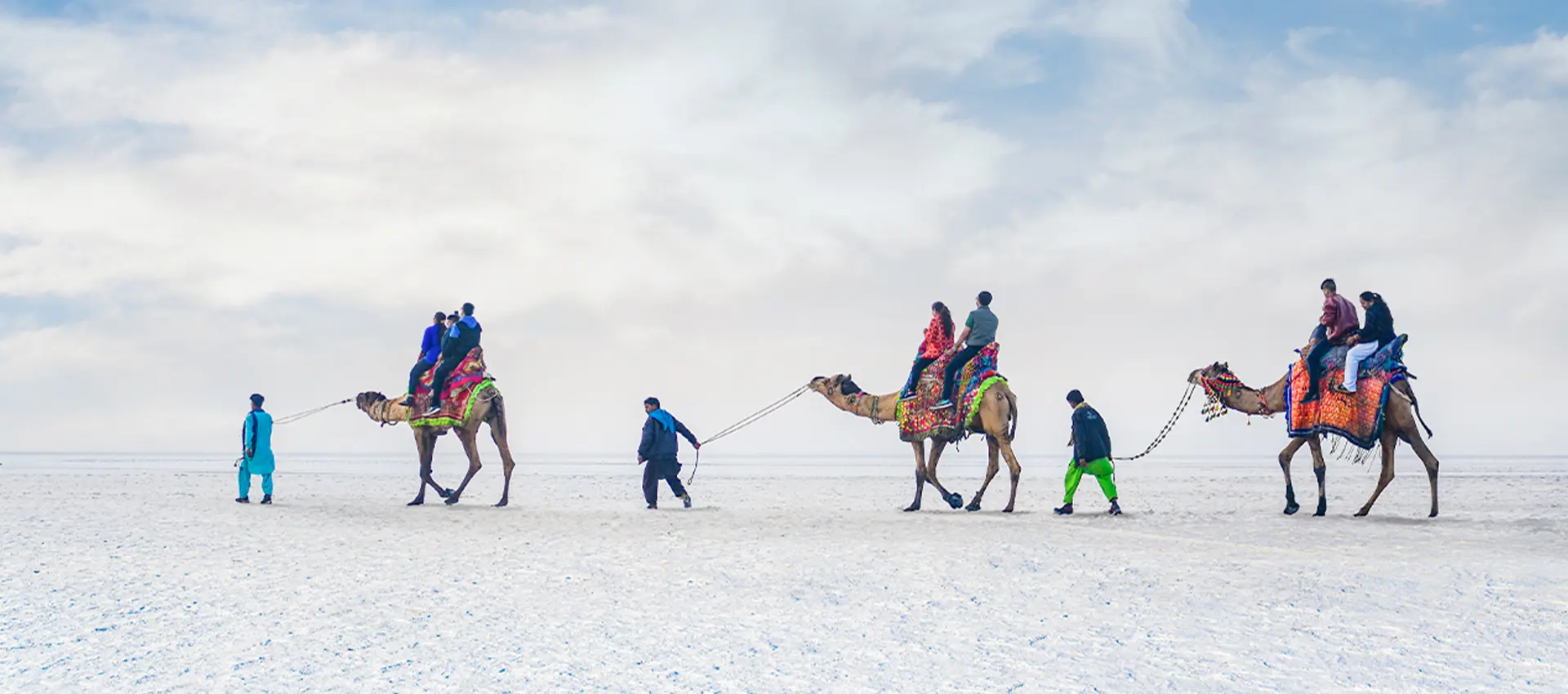
4. Rann of Kutch: A Once-a-Year Window
Rann Utsav isn’t just a festival happening in January; the white salt desert is genuinely only accessible and set up for tourism during this specific winter window, roughly November to February. Outside this season, there’s no tent city, no cultural programme, and the heat later in the year makes the Rann inhospitable.
Check our Rann of Kutch & Gujarat tour packages to plan your visit around the festival window.
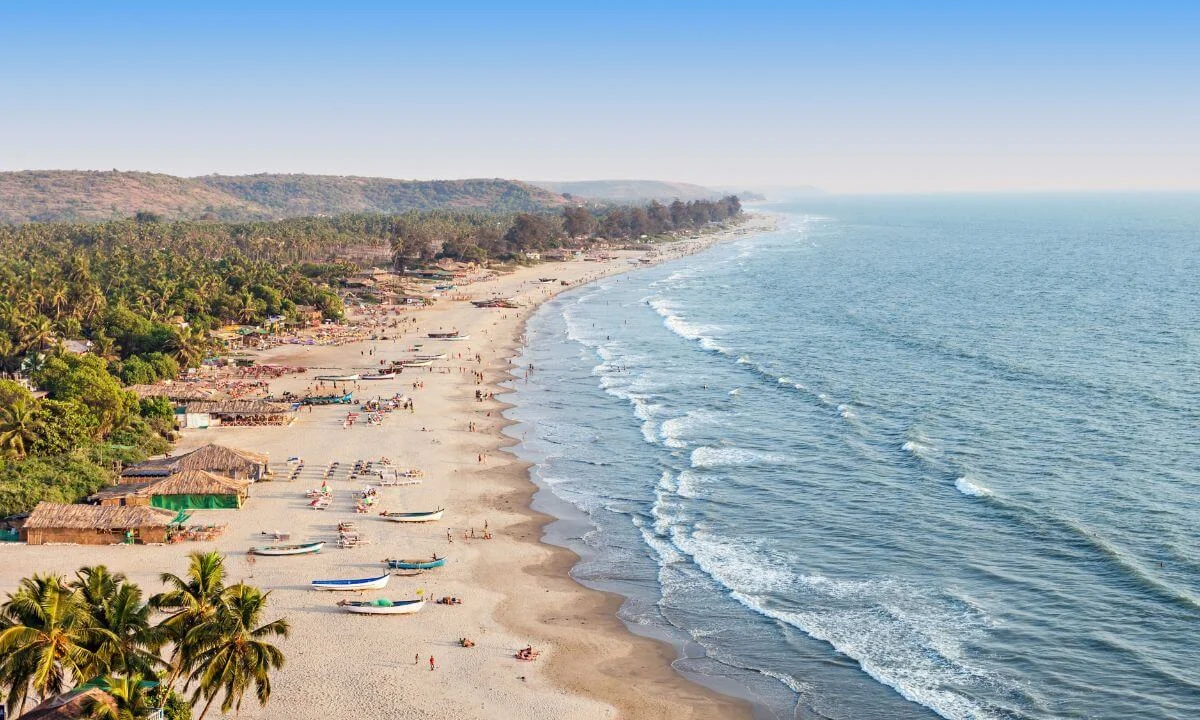
5. Goa: Past New Year, Still Worth It
Goa’s New Year crowds thin out noticeably by mid-January, while the weather stays just as good, arguably the smarter window for travellers who want the beach weather without the peak-week pricing and crowding.
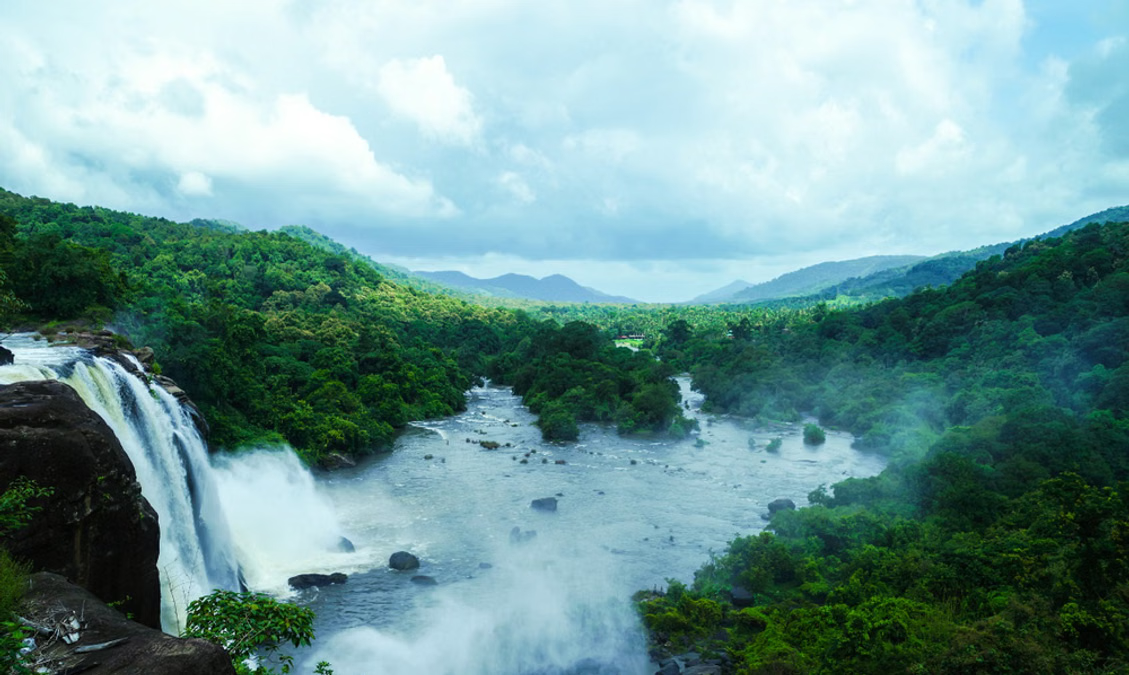
6. Kerala: The Calm Alternative to Cold Weather
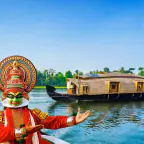
For travellers who’d rather skip the cold entirely, Kerala in January delivers monsoon-free backwaters, comfortable houseboat weather, and wildlife activity at Thekkady’s Periyar sanctuary that tends to be better than the wetter months.
Explore our Kerala backwater tour packages for a monsoon-free houseboat holiday.
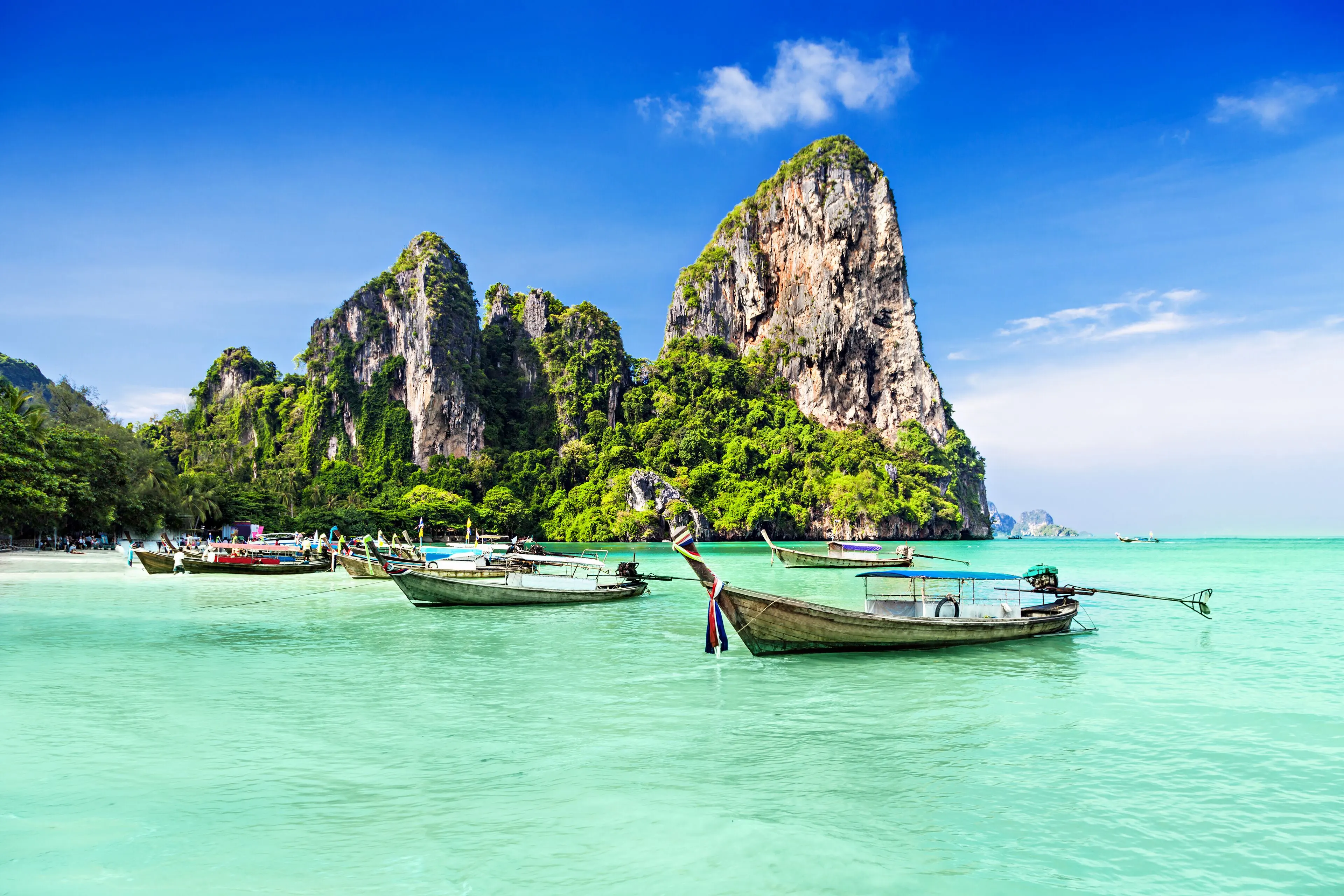
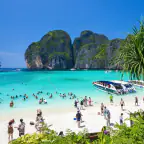
7. Andaman Islands: Clearest Water of the Year
January sits inside Andaman’s dry season, which means the best underwater visibility of the year for snorkelling and diving around Havelock and Neil Island.
See our Andaman tour packages for the year’s clearest diving and snorkelling season.
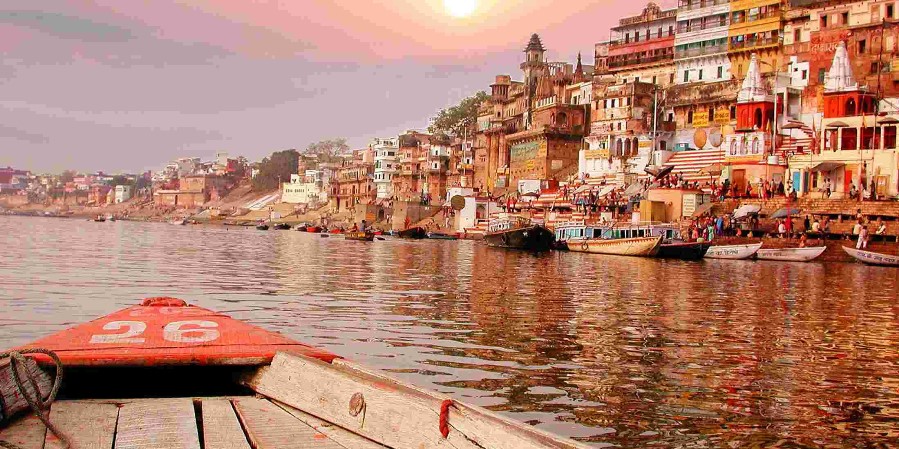
8. Varanasi & Prayagraj: Fewer Crowds, More Meaning
Outside of specific festival dates, January is actually one of the quieter, more contemplative months to experience Ganga Aarti in Varanasi. The intense pilgrim crowds of other seasons thin out, without losing any of the ritual’s atmosphere.
Plan your visit with our Varanasi tour packages.
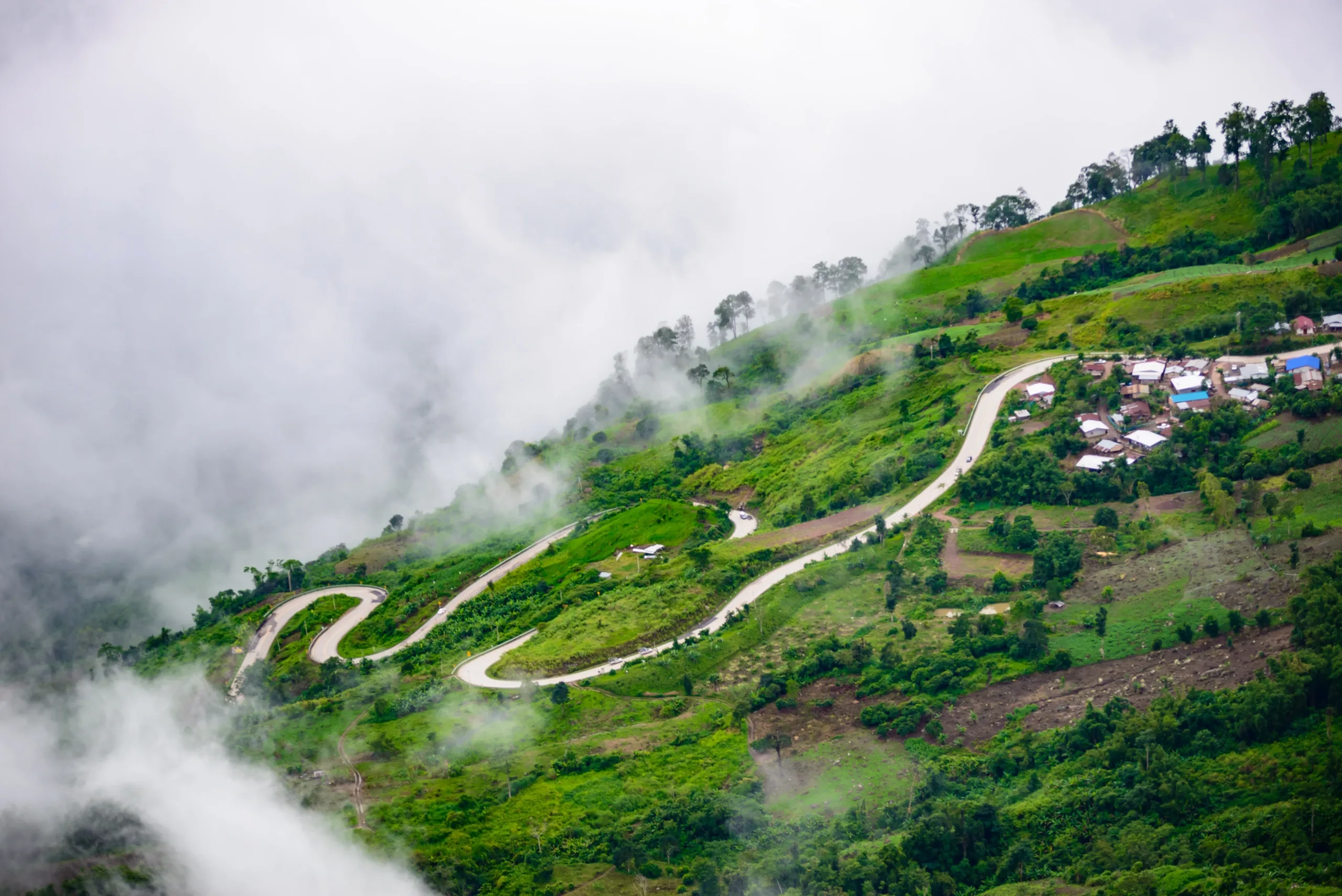
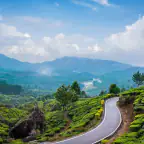
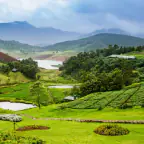
9. Ooty & Coorg: Short-Break Hill Country
For travellers wanting hill-station cool without the logistics of a Himalayan trip, Ooty and Coorg deliver misty mornings and coffee-country scenery in a far more accessible package.
Check our Coorg & Ooty tour packages for a short, accessible hill-country break.
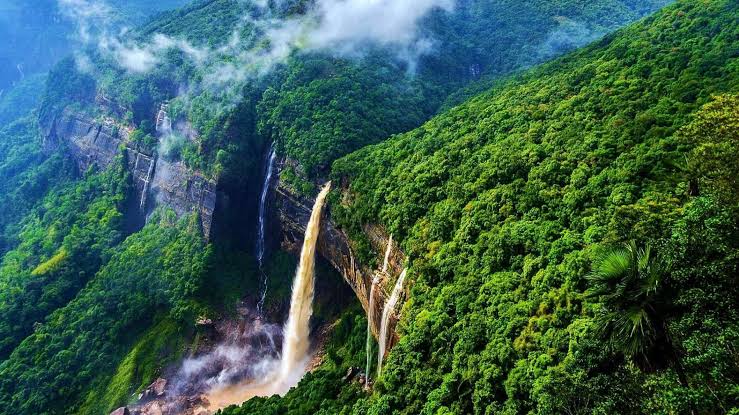
10. Northeast India: Meghalaya & Darjeeling
Less commonly listed, but January in Meghalaya (Cherrapunji, Shillong) and Darjeeling offers clear mountain views without the heavy monsoon cloud cover that blocks visibility most of the year.
Explore our Darjeeling & Meghalaya tour packages for clear winter mountain views.
The January Festival Calendar (Often Missed in Other Guides)
| Festival | Region | What It Adds to a Trip |
|---|---|---|
| Makar Sankranti / Lohri | North & West India | Kite festivals, bonfires, harvest celebrations |
| Pongal | Tamil Nadu | Multi-day harvest festival with cultural events |
| Rann Utsav | Gujarat (Kutch) | Tent city, folk music, desert culture |
| Jaipur Literature Festival | Rajasthan | Author talks, panels, a cultural add-on to a Jaipur trip |
Common January Travel Mistakes We See Often
- Booking mountain travel without a buffer day. Snowfall can close roads for a day or more. A tight schedule with no slack turns one closure into a missed flight.
- Underestimating desert nights. Rajasthan and Kutch feel warm by day. Travellers who pack only for daytime heat are consistently caught off guard after sunset.
- Assuming “winter” means the same weather everywhere. As the table above shows, an 8°C day in Manali and a 30°C day in Goa are both “January in India.”
- Not booking ferries or houseboats early in peak zones. Andaman and Alleppey both hit high demand in January. Last-minute bookings mean settling for shared or lower-quality options.
Not Sure Which January Destination Fits Your Trip?
From snow in Kashmir to sunshine in Goa, Shree Krishna Travel World designs custom January itineraries, with the right stays, buffer days for weather, and local knowledge built in, not just a generic package. Contact SKTW today to plan your January getaway. Also explore our honeymoon tour packages and family tour packages for a January trip tailored to your group.