

























India doesn’t have seven wonders because someone decided to rank them. It has seven because no shorter list could hold what the country has built, carved, and worshipped over the last 3,000 years.
We’ve helped travellers plan trips to almost every site on this list, and the question we get asked most isn’t “which one is the best,” it’s “which one should I see first, and how do I actually get there without wasting two days of my trip.” That’s the gap this guide fills. You’ll get the history, yes, but also the practical planning details that most lists skip: how to combine sites into one trip, when not to go, and the mistakes that trip up first-time visitors.
Quick Answer: What Are the 7 Wonders of India?
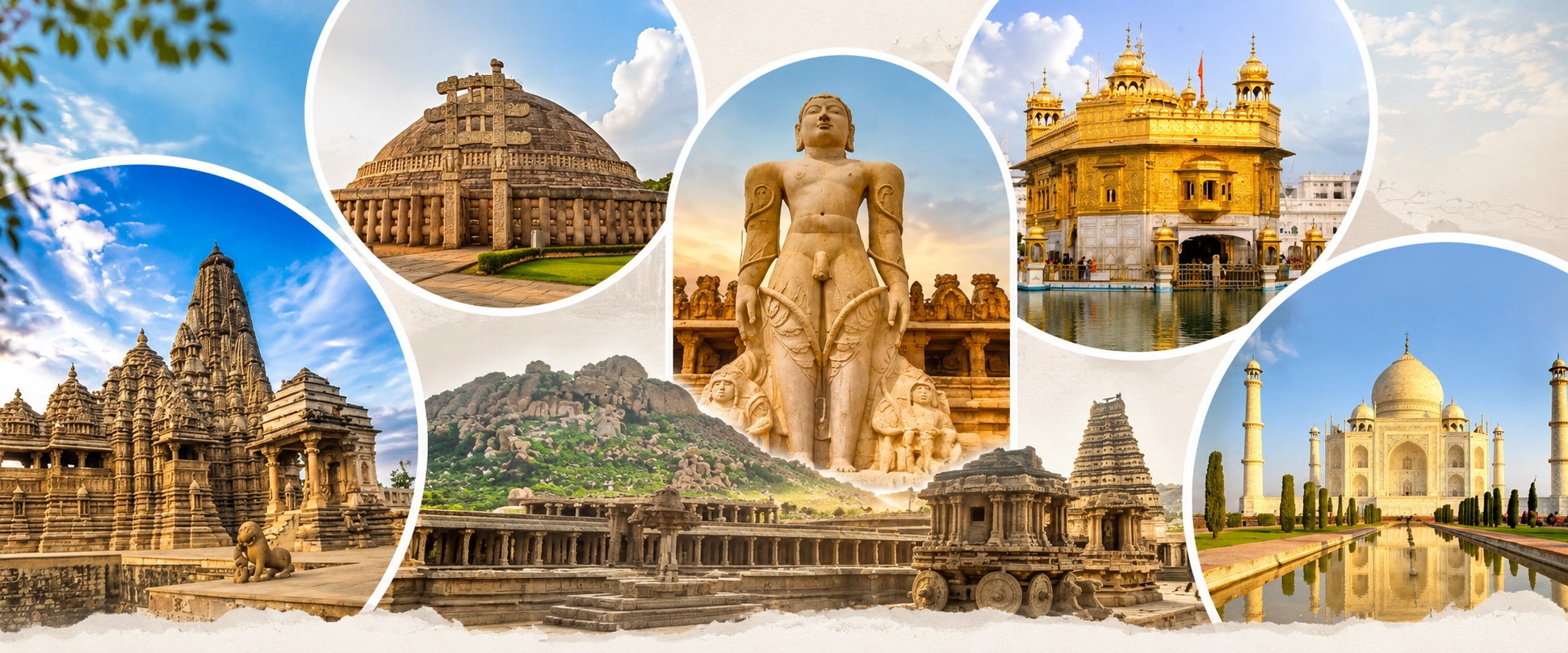
- Taj Mahal – Agra, Uttar Pradesh
- Golden Temple – Amritsar, Punjab
- Khajuraho Temples – Madhya Pradesh
- Hampi – Karnataka
- Konark Sun Temple – Odisha
- Nalanda – Bihar
- Gomateshwara Statue – Shravanabelagola, Karnataka
Unlike the New 7 Wonders of the World, a global public vote completed in 2007, this is a nationally curated list celebrating India’s own architectural and spiritual range, from Mughal marble to Jain monasticism to Dravidian temple art. Five of the seven are UNESCO World Heritage Sites.
At a Glance: Comparison Table
This table alone solves the most common planning headache: figuring out which season and which airport applies to which wonder, since they’re spread across five states.
| Wonder | State | Best Time to Visit | Ideal Trip Length | Nearest Airport |
|---|---|---|---|---|
| Taj Mahal | Uttar Pradesh | Oct – Mar | Half day to 1 day | Agra (AGR) |
| Golden Temple | Punjab | Oct – Mar | 1 – 2 days | Amritsar (ATQ) |
| Khajuraho Temples | Madhya Pradesh | Oct – Feb | 1 – 2 days | Khajuraho (HJR) |
| Hampi | Karnataka | Oct – Feb | 2 days | Hubli (HBX), or Bengaluru + road |
| Konark Sun Temple | Odisha | Oct – Feb | Half day (combine with Puri) | Bhubaneswar (BBI) |
| Nalanda | Bihar | Oct – Mar | Half day (combine with Bodh Gaya) | Patna (PAT) |
| Gomateshwara Statue | Karnataka | Year-round (avoid peak monsoon) | Half day | Bengaluru (BLR) |
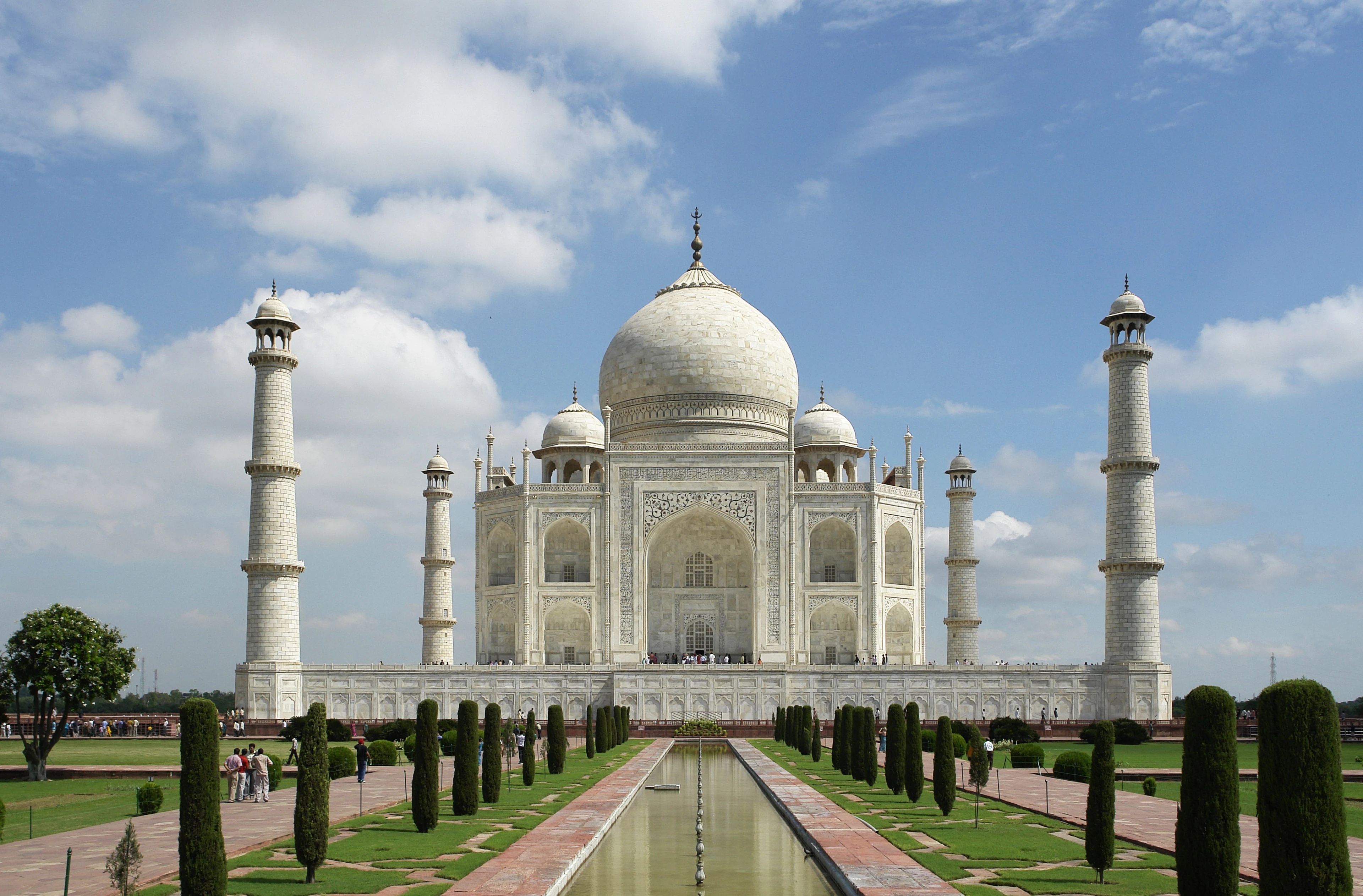
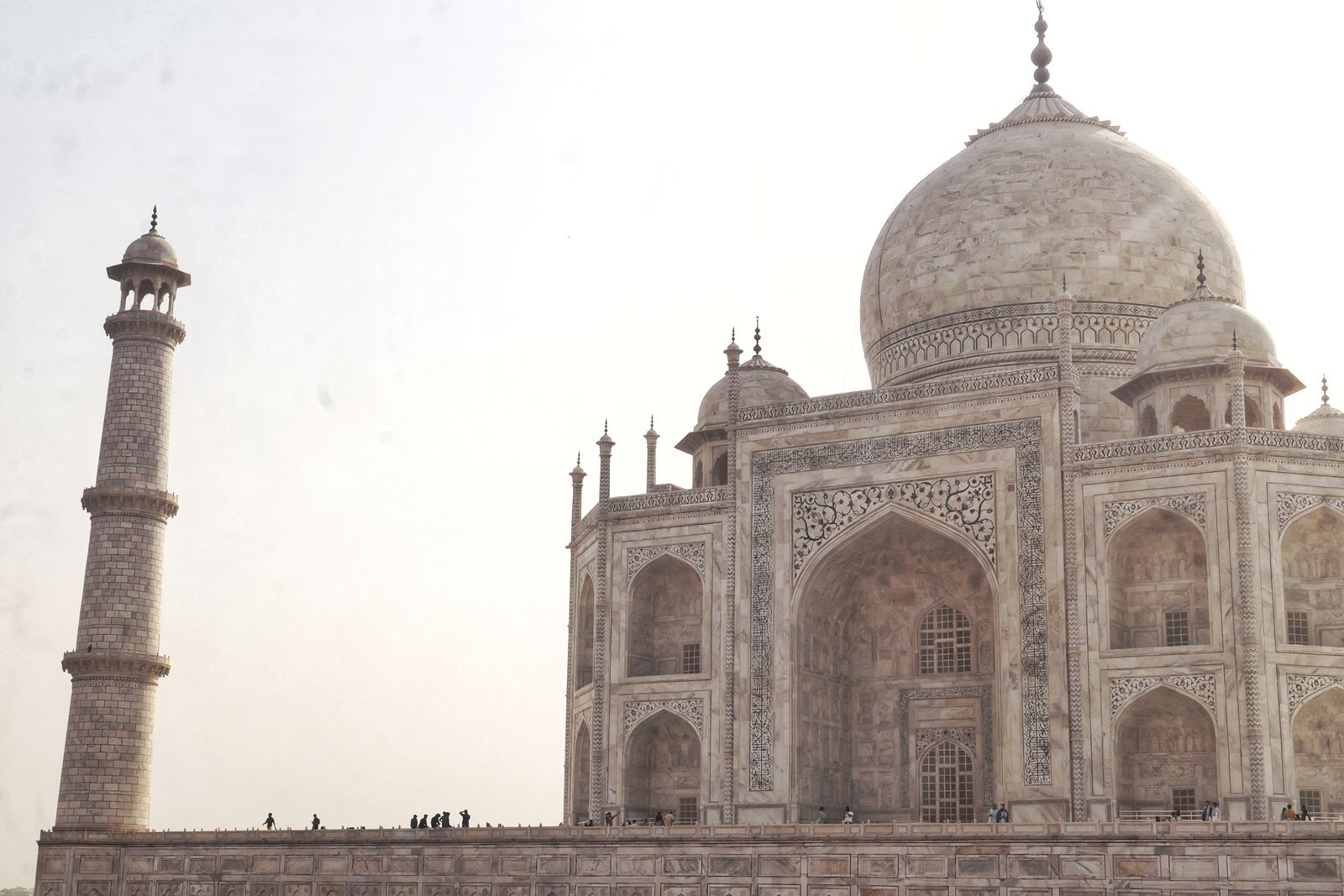
1. Taj Mahal, Agra, Uttar Pradesh
The Taj Mahal is white marble that changes mood with the light: pale pink at dawn, blinding white at noon, faintly golden by sunset. Emperor Shah Jahan commissioned it in memory of his wife Mumtaz Mahal, and it took roughly two decades and thousands of artisans to complete.
What most guides don’t tell you: the marble is inlaid with semi-precious stones in a technique called pietra dura, and the calligraphy bordering the main archway is deliberately sized larger at the top so it appears uniform from ground level, an optical correction, not a decorative choice.
Insider tip: Book the earliest entry slot. Agra’s heat and crowds both build fast after 9 AM, and sunrise light on the marble is genuinely a different experience than midday light.
Common mistake: Treating Agra as a same-day trip from Delhi by road. It’s doable, but you’ll spend more time in traffic than at the monument. One overnight stay lets you also see Agra Fort and Fatehpur Sikri without rushing.
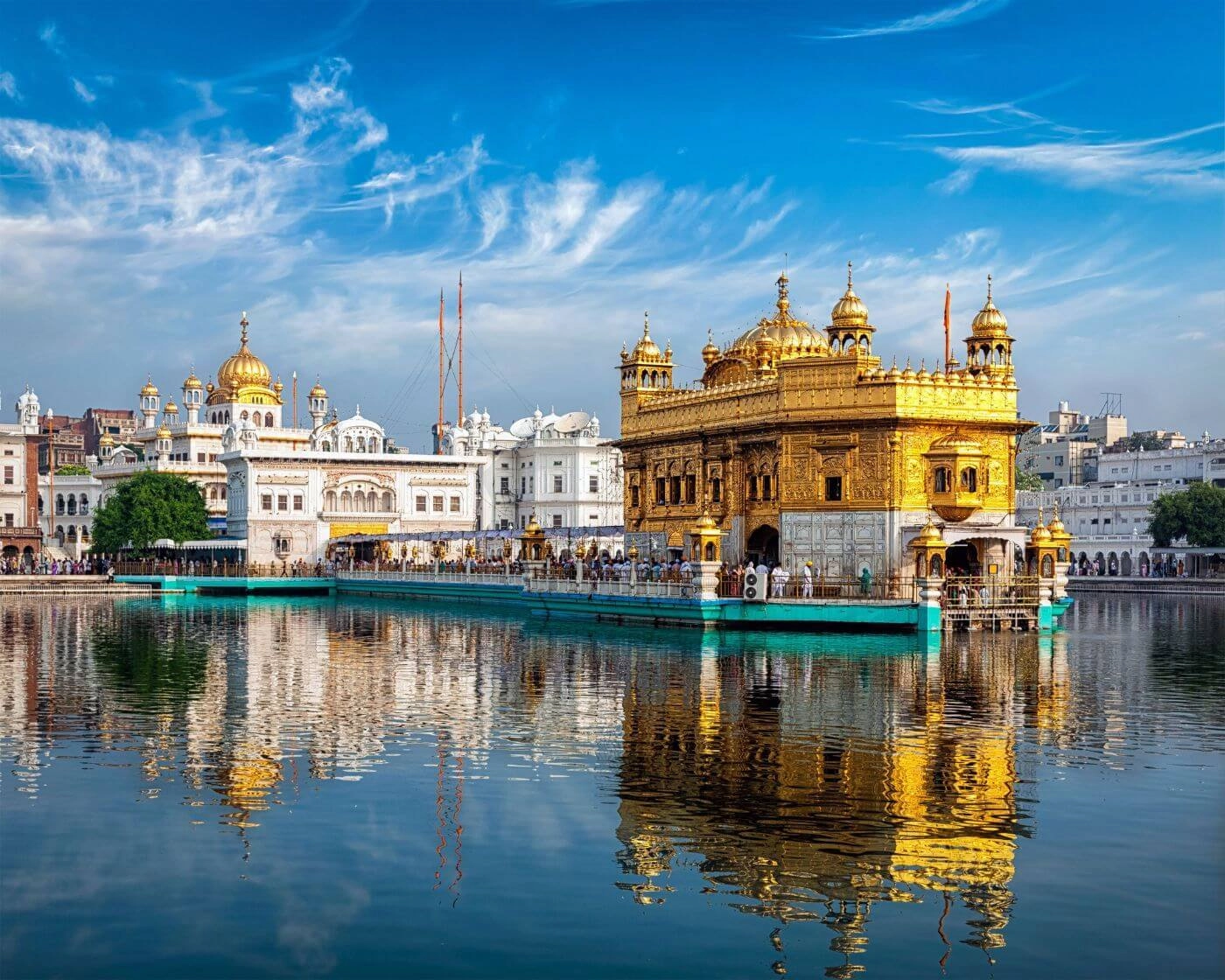
2. Golden Temple, Amritsar, Punjab
The Golden Temple (Harmandir Sahib) is Sikhism’s holiest shrine, its dome gilded in real gold and reflected in the Amrit Sarovar, the sacred pool surrounding it. What sets it apart from every other site on this list is the langar, a free community kitchen that serves upward of 50,000 to 100,000 meals a day to anyone who walks in, regardless of religion, caste, or background.
Insider tip: Visit at night. The temple stays open into the early hours, and the illuminated dome against the dark water is quieter and, honestly, more moving than the daytime crowds allow.
Practical note: Cover your head (scarves are provided at entry) and go barefoot inside the complex; there are free shoe-storage counters. Skip synthetic fabrics in summer, since Punjab’s June to July heat is intense.
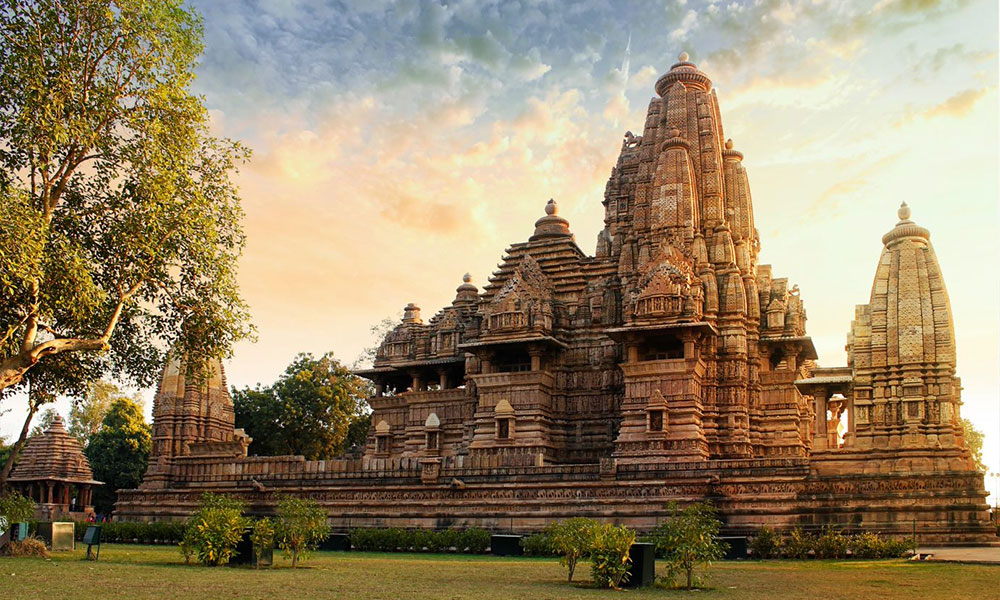
3. Khajuraho Temples, Madhya Pradesh
Built by the Chandela dynasty between roughly 950 and 1050 AD, Khajuraho’s temples are famous for their intricately carved sculptures depicting everyday life, deities, and human emotion, including the sensuous carvings that draw curiosity, though these make up a small fraction of the artwork. The temples were rediscovered in the 19th century after being hidden under dense forest for generations.
Insider tip: Go for the sound-and-light show in the evening at the Western Group of temples; it explains the symbolism in a way a plaque never could.
Common mistake: Rushing through in two hours. Khajuraho rewards a slower pace. The Eastern and Southern temple groups are quieter and just as detailed, but most day-trippers skip them entirely.
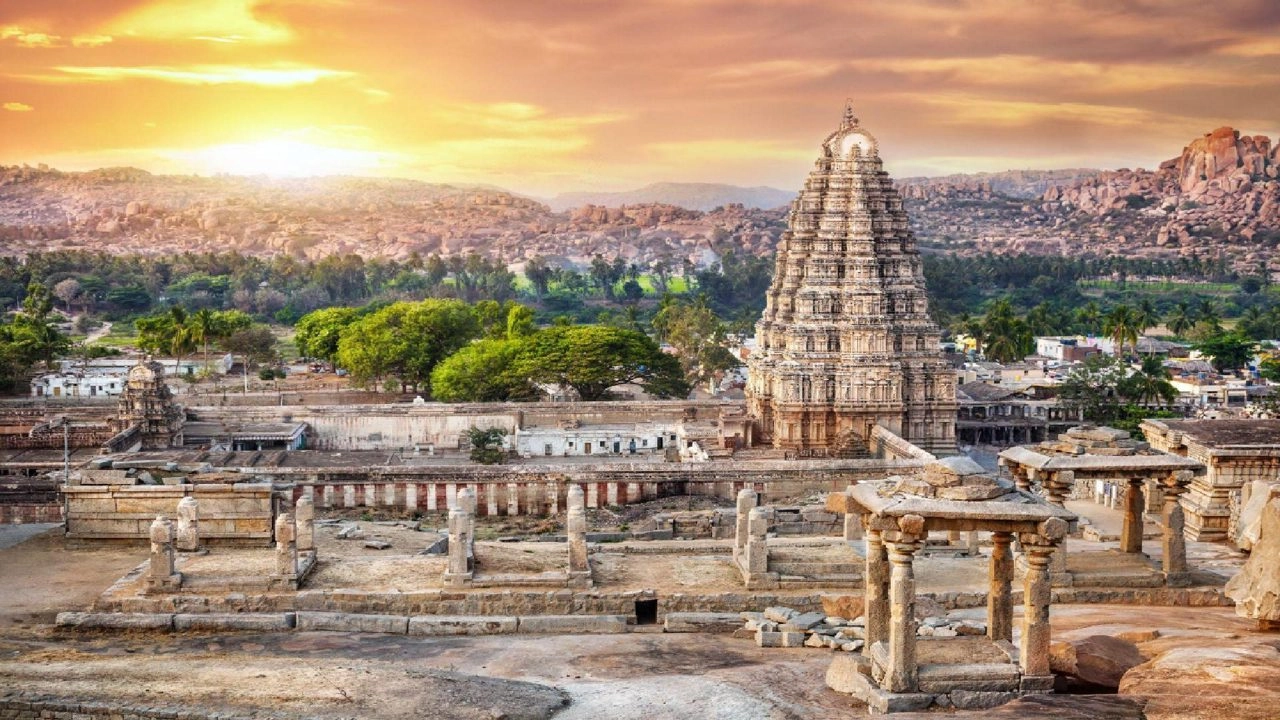
4. Hampi, Karnataka
Once the capital of the powerful Vijayanagara Empire, Hampi is scattered across a boulder-strewn landscape with over 1,600 surviving structures: temples, royal enclosures, market streets, and the iconic stone chariot at Vittala Temple, which also appears on India’s ₹50 note.
Insider tip: Rent a bicycle. Hampi’s ruins are spread over several kilometers, and cycling between sites at sunrise, before the heat sets in, is one of the most underrated travel experiences in South India.
Good to know: Hampi’s terrain offers almost no shade, and summer temperatures make midday exploring genuinely unsafe, so stick to the October to February window.
5. Konark Sun Temple, Odisha
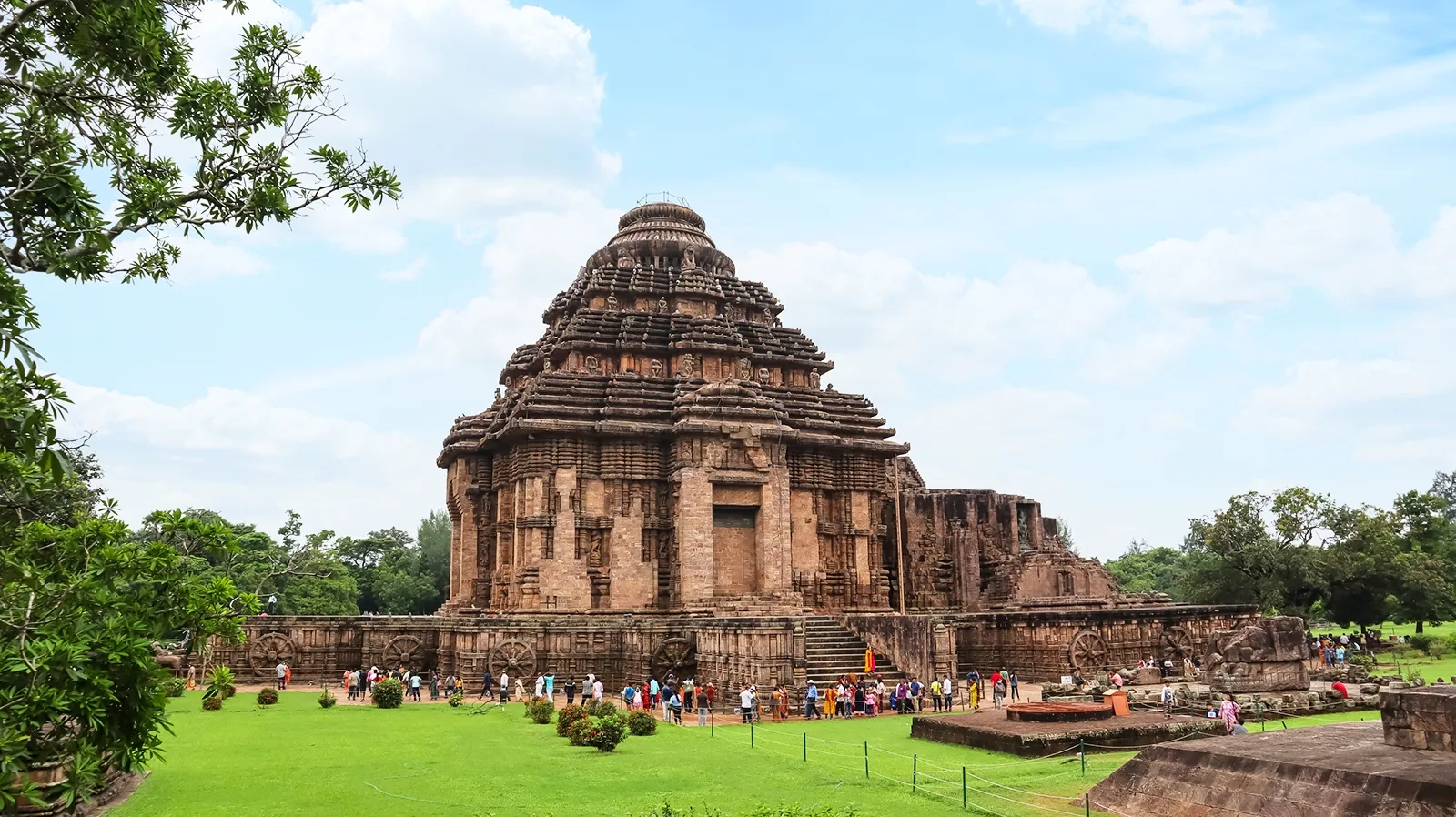
Shaped like a colossal stone chariot with 24 carved wheels and a team of horses, the 13th-century Konark Sun Temple was built to honour Surya, the sun god. The 24 wheels are believed to represent the hours of the day, and the temple was designed so the sanctum would catch the first rays of sunrise.
Insider tip: Combine Konark with Puri; they’re about an hour apart by road, and most travellers do both in a single day trip from Bhubaneswar.
Good to know: Much of the temple’s upper structure has collapsed over centuries, so manage expectations. You’re seeing a magnificent ruin, not a fully intact temple like the Taj Mahal.
6. Nalanda, Bihar
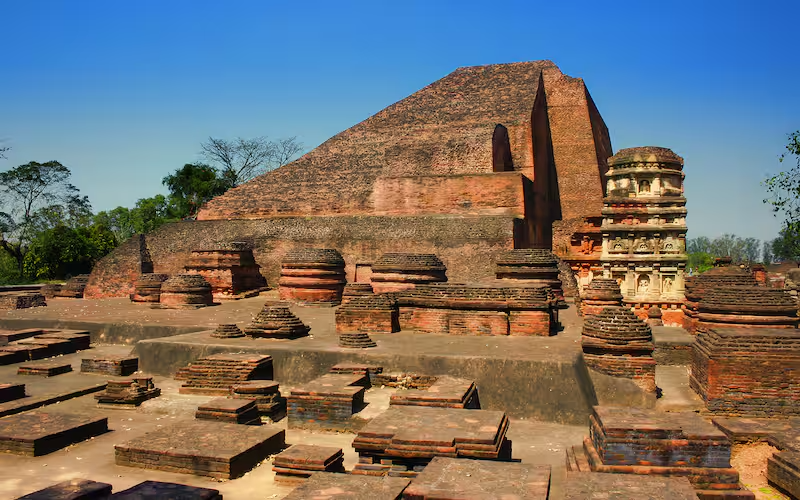
Founded in the 5th century AD, Nalanda was a residential university that drew scholars from China, Korea, and Central Asia centuries before the concept existed anywhere else. Its ruins, dormitories, lecture halls, and stupas, still convey the scale of what was once a global centre of learning. The Chinese traveller Xuanzang lived and studied here, and left detailed accounts of the university that historians still rely on today.
Insider tip: Pair Nalanda with Bodh Gaya, about 90 minutes away, where the Buddha attained enlightenment. Most travellers combine both in a single Bihar heritage circuit rather than visiting Nalanda alone.
7. Gomateshwara Statue, Shravanabelagola, Karnataka
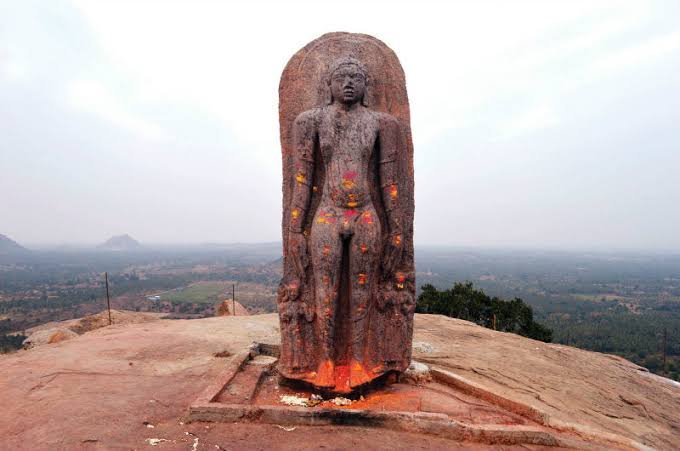
At 57 feet, carved from a single block of granite around 983 AD, the Gomateshwara statue is the tallest monolithic statue of its kind in the world. It represents Bahubali, a revered figure in Jainism, and stands atop Vindhyagiri Hill, visible from kilometers away.
Insider tip: The climb to the statue is around 600 steps, barefoot, as per temple tradition. Go early morning to avoid the stone heating up in the sun.
Once in 12 years: If your trip timing ever coincides with the Mahamastakabhisheka festival, don’t miss it. The statue is ritually anointed with milk, sandalwood, and saffron in a UNESCO-recognised cultural event that draws pilgrims from across the world.
How to Plan a Multi-Wonder India Trip
Because the seven wonders are spread across five states with no shared transport corridor, nobody visits all seven in one trip, and no serious travel planner would recommend trying. Instead, group them by region.
- North India circuit – Taj Mahal (Agra) and Golden Temple (Amritsar), often combined with Delhi and Jaipur into a Golden Triangle-plus itinerary
- Central India circuit – Khajuraho Temples, paired with Orchha or a Madhya Pradesh wildlife safari
- South India circuit – Hampi and Gomateshwara Statue, both reachable via Karnataka, ideally over 4–5 days
- East India circuit – Konark Sun Temple and Nalanda, though these sit in different states (Odisha and Bihar) and are better treated as two separate short trips rather than one route
If you only have time for one wonder, choose based on what you want from the trip: the Taj Mahal for romance and iconic architecture, the Golden Temple for spirituality and atmosphere, Hampi for history you can physically walk through, and Khajuraho for art and craftsmanship.
Common Mistakes Travellers Make at India’s 7 Wonders
- Visiting in peak summer. May to June temperatures across most of these sites (except the Golden Temple region, which has its own extremes) regularly cross 40°C. October to February is the sweet spot for almost all seven.
- Underestimating distances. These sites are not close together. Treating them as one road trip instead of separate regional circuits leads to exhausting, rushed days.
- Skipping local guides. The carvings, symbolism, and history at sites like Khajuraho, Konark, and Hampi are dense. A good local guide turns a “nice old building” into a story you’ll actually remember.
- Not checking festival and closure calendars. Some sites have restricted hours or crowd surges around specific festivals, such as the Mahamastakabhisheka at Shravanabelagola, which happens once every 12 years and transforms the entire town.
- Wearing the wrong footwear. Several of these sites require barefoot entry or long walks on stone, especially the Golden Temple, Gomateshwara Statue, and Khajuraho’s inner sanctums.
Pre-Trip Checklist
- Confirm entry fees and photography rules, since they change periodically at ASI-protected monuments
- Book Taj Mahal tickets online in advance to skip queues
- Pack a head covering for the Golden Temple
- Carry cash, since smaller sites near Khajuraho, Hampi, and Nalanda have limited card acceptance
- Check weather and air quality for North Indian sites in winter, as fog can delay early flights into Agra and Amritsar in December and January
- Arrange a local guide in advance for Hampi, Khajuraho, and Konark
Seeing India’s 7 Wonders Shouldn’t Mean Seven Separate Headaches of Planning
At Shree Krishna Travel World, we’ve been crafting India journeys since 1999, from the marble domes of Agra to the temple carvings of Khajuraho. Whether you want one wonder done right or a full regional circuit mapped out for you, our travel experts can build a custom itinerary around your dates, budget, and pace. Talk to our team today and let’s turn this list into your next trip.