You’ve booked your Europe tour, your visa is in progress, and now comes the part that trips up almost every first-time traveller from India: what actually goes in the suitcase. Europe isn’t one climate or one culture a single itinerary can take you from sunny Rome afternoons to a chilly Alpine evening in the same week. Add strict airline baggage rules, cobblestoned old towns, and long days of sightseeing, and packing stops being simple.
This Europe Packing List from India is built specifically for Indian travellers covering the documents you can’t leave home without, weather-smart clothing for every season, electronics that actually work on European sockets, and the small things people forget until they’re standing in a Prague pharmacy at 9 PM. Whether you’re travelling with Shree Krishna Travel World on a guided tour or planning independently, this guide will get you packed right the first time.
Documents First: Your Europe Trip Essentials
Before clothes or gadgets, sort your paperwork this is the part that can actually stop your trip if it’s missing.
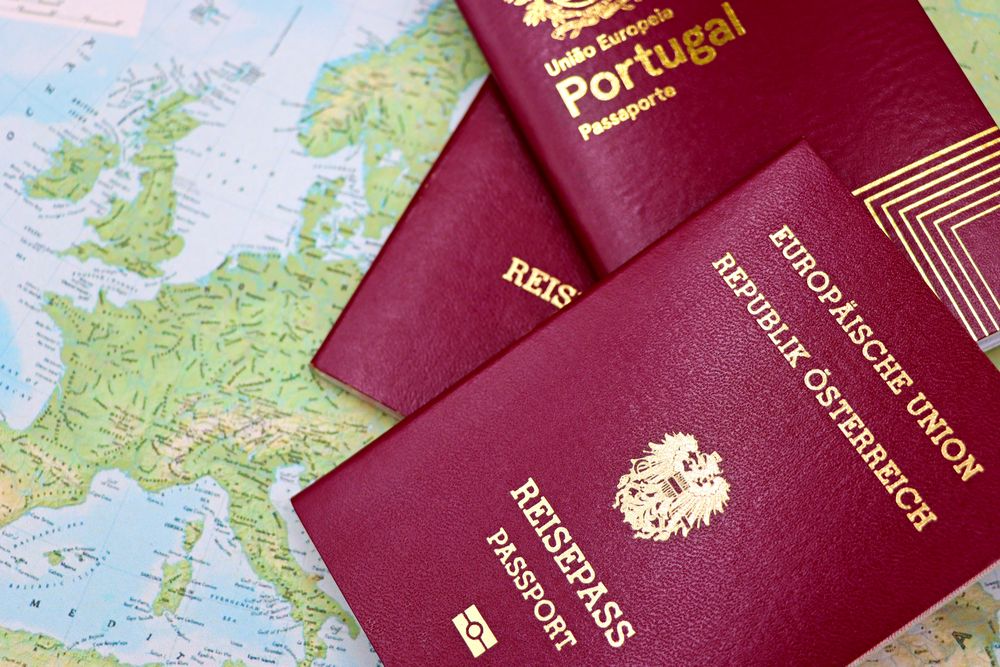
- Passport: Valid for at least six months beyond your return date, with a minimum of two blank pages.
- Schengen visa: Mandatory for most European countries for Indian passport holders. Applications typically require proof of travel insurance, a confirmed flight itinerary, and hotel bookings.
- Travel insurance: Non-negotiable for Schengen visa approval and genuinely useful in an emergency carry both a printed and a digital copy.
- Hotel confirmations and return tickets: Keep printed copies in a waterproof document folder, even if everything is also on your phone.
- Digital backups: Photograph every document and save it to a secure cloud folder. If anything is lost, this shortens the replacement process at an Indian embassy considerably.
Shree Krishna Travel World tip: If you’re travelling on one of our guided packages, our team handles Schengen visa documentation support as part of your booking one less thing to double-check the night before departure.
Money Matters: Cards and Cash for Europe
Carry a mix rather than relying on one option:
- An international debit or credit card with low or no foreign transaction fees, accepted almost everywhere in Western Europe.
- A backup card from a different bank, stored separately from your primary card.
- €100–€200 in small denominations for immediate expenses on arrival some smaller shops, especially in Eastern Europe, still prefer cash.
- Inform your bank of your travel dates in advance so your cards aren’t blocked for “suspicious” overseas activity mid-trip.
Europe Weather Packing: Think Layers, Not Outfits
This is where most Indian travellers get it wrong. Indian weather is fairly predictable within a season European weather isn’t. You can see sun, rain, and a cold wind snap on the same afternoon, especially in cities like London, Amsterdam, or Edinburgh. Packing a full outfit for each day bloats your bag fast; packing layers that mix and match keeps your load light and your options open.
- Base layer: A lightweight thermal top for cold mornings and evenings.
- Mid layer: A fleece or light wool jumper for insulation.
- Outer shell: A waterproof, windproof jacket that packs small this does more work than an umbrella, which the European wind will flip inside out within minutes.
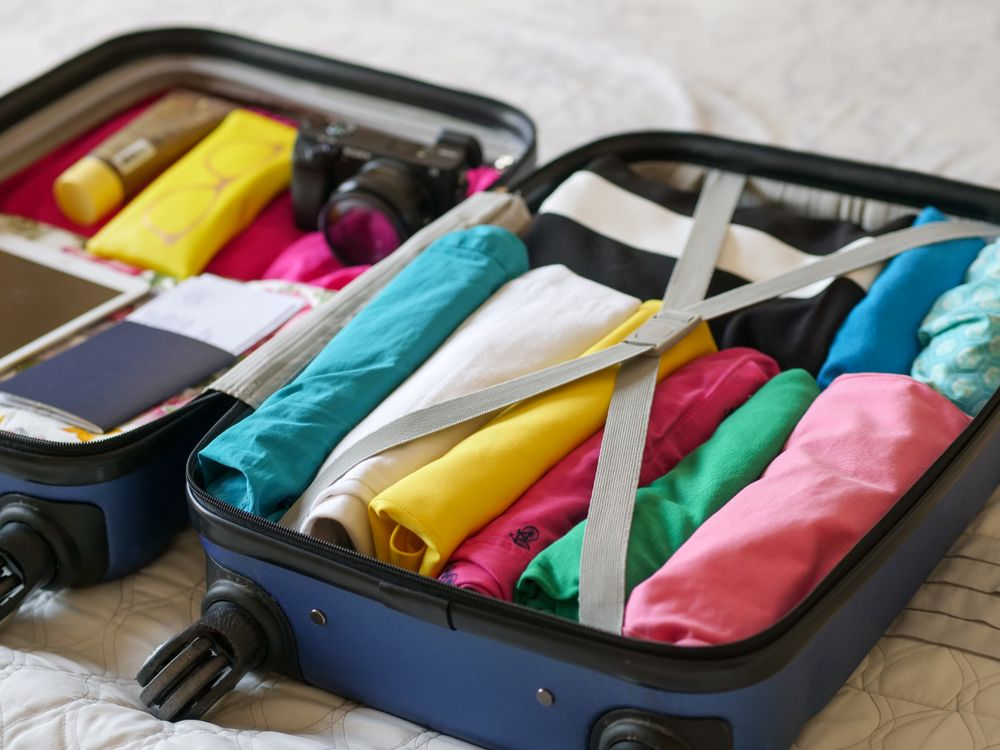
Core Wardrobe for Europe Clothes Packing
- 3–4 lightweight, wrinkle-resistant tops
- 2 pairs of versatile trousers (one smart, one casual)
- 1 pair of jeans for cooler evenings
- 1 smart-casual outfit for restaurants or cultural sites with dress codes
- Underwear and socks for each day plus 2 spares, in quick-dry fabric
- 1 set of thermal undergarments, regardless of season spring and autumn evenings get colder than most Indian travellers expect
Europe Summer Packing
Even a June or July trip needs a proper layer. Northern Europe Scotland, Scandinavia, parts of Germany can drop below 15°C on summer evenings. Pack a packable down jacket or warm fleece rather than relying on a light shrug you’ll regret by 8 PM.
Europe Winter Packing
For winter travel, prioritise a proper insulated coat, thermal base layers, waterproof boots, gloves, a woollen cap, and a scarf. Dry European winter air is harder on skin than most Indian winters, so pair this with a strong moisturiser.
Footwear: The Decision That Makes or Breaks Your Trip
Expect to walk 15,000 – 25,000 steps a day between cobblestones, museum floors, and hillside old towns. Poor footwear will punish you within hours.
- Primary pair: Comfortable walking shoes with cushioned soles and ankle support. Wear these during transit to save luggage space.
- Second pair: Smart-casual shoes or trainers for evening meals and cultural visits.
- Avoid brand-new shoes break them in for at least two weeks before departure. Blisters on day two of a ten-day trip ruin every day after.
- Pack blister plasters regardless. Stick to two pairs, three only if you genuinely need separate formal shoes.
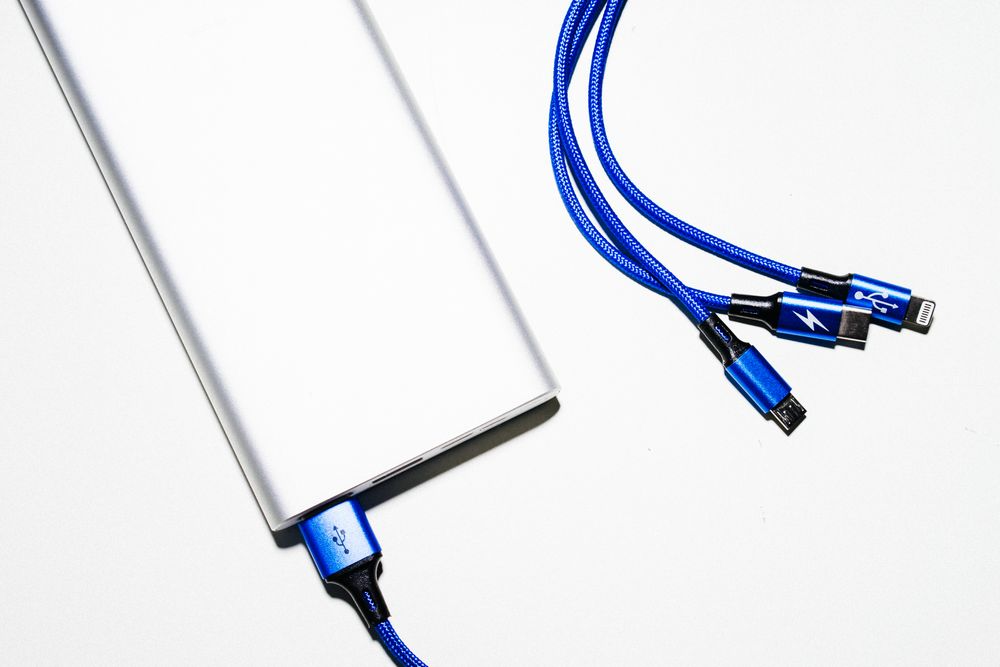
Europe Electronics Checklist
- Europe travel adapter: European sockets use Type C (two round pins) and Type G (UK three-pin) at 230V — Indian plugs won’t fit without one. A universal adapter covers both; carry a dedicated UK adapter too if visiting the UK.
- Power bank: At least 10,000mAh to get through long sightseeing days.
- Charging cables: Your primary cable plus a backup losing your only cable mid-trip is a common, avoidable headache.
- Offline maps: Download maps for every city before departure; roaming between Indian and European networks gets expensive fast.
- Connectivity: A European eSIM or a prepaid local SIM on arrival is usually the most affordable way to stay connected.
- Accessories organiser: A compact pouch to keep cables, adapters, and small electronics from tangling loose in your bag.
Europe Toiletries Checklist and Medicine Packing
- Prescription medication: Carry enough for your full trip plus five extra days, in original packaging with pharmacy labels. European pharmacies won’t stock Indian-branded medicines.
- High-SPF sunscreen: UV exposure is stronger than expected, particularly in southern Europe and at altitude.
- Moisturiser and lip balm: European air is noticeably drier than most Indian cities, especially in winter.
- Insect repellent: Useful for summer trips to Mediterranean or Scandinavian regions.
- Travel-sized toiletries for your cabin bag (100ml limit per container, all in one clear bag); pack full-sized versions in checked luggage.
- Solid alternatives shampoo bars, toothpaste tablets, solid moisturiser save weight and skip liquid restrictions entirely.
- First aid basics: Pain relievers, antihistamines, rehydration sachets, plasters, and anti-diarrhoea tablets.
- A reusable water bottle tap water is safe to drink in most Western and Northern European countries.
Europe Luggage Weight and Airline Baggage Rules
- Most intra-European routes, especially budget carriers like Ryanair and easyJet, enforce strict checked baggage limits around 20 kg, with cabin bags often capped at 7–10 kg.
- For a 7–10 day trip, a medium checked case (23–26 inches) paired with a cabin bag is usually enough.
- For trips of two weeks or more, a larger case gives room, but weight still matters more than size.
- Leave 2–3 kg of headroom in your checked bag for the return trip. Souvenirs and shopping add weight fast.
Shree Krishna Travel World tip: If your Europe itinerary involves multiple internal flights between cities, check each airline’s specific limits individually they vary more than travellers expect, even within the same trip.
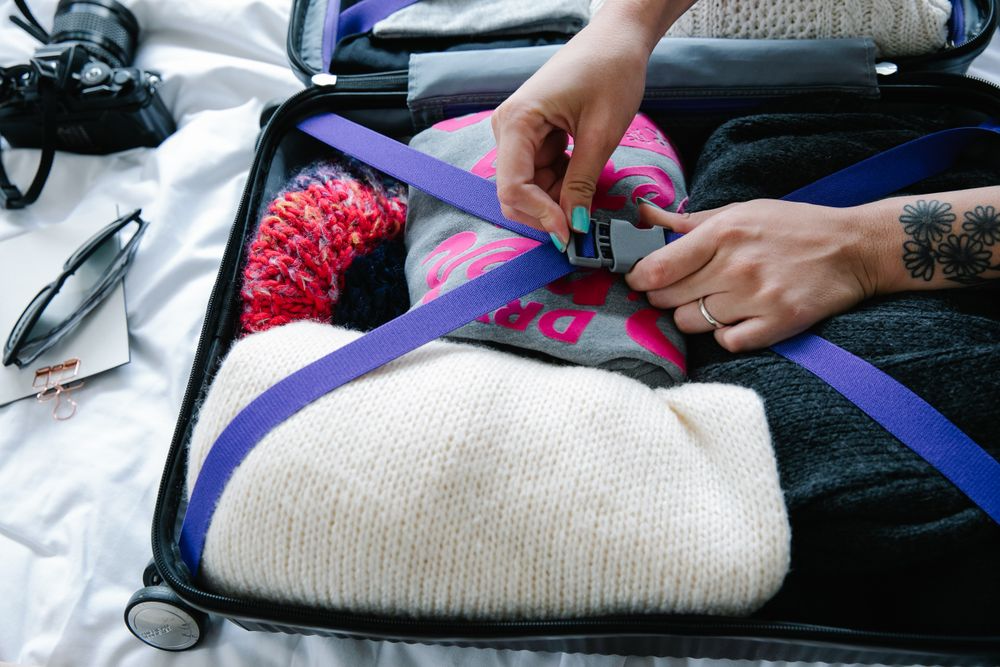
Europe Packing Tips: How to Pack It All Efficiently
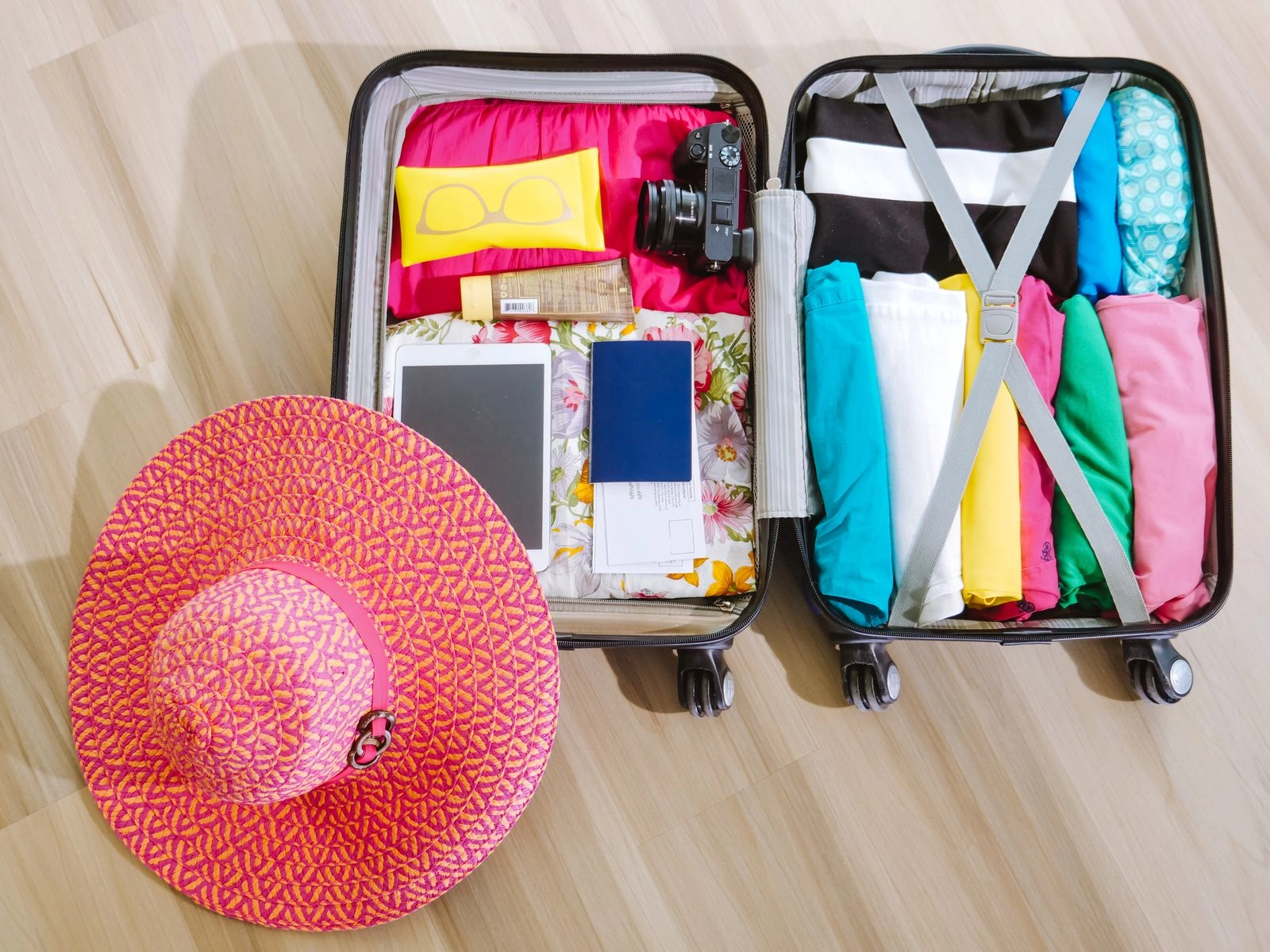
- Use packing cubes to separate clothing categories they compress space and make unpacking at each hotel far quicker.
- Roll casual items to save space; bundle structured pieces (a blazer, a shirt) around a soft core to avoid wrinkles.
- Place heavier items like shoes near the wheels of your trolley for balanced rolling, and fill shoe interiors with socks or small accessories.
- Keep one complete outfit, essential toiletries, medication, and all documents in your cabin bag if checked luggage is delayed on a connecting flight through a busy hub like Frankfurt or Amsterdam, you can manage comfortably until it arrives.
What Indian Travellers Often Forget to Pack for Europe
- A proper layer for cool evenings, even on a summer trip.
- Comfortable indoor shoes or slippers for hostels and budget stays.
- A small quick-dry towel for day trips to lakes or beaches, or budget accommodation where towels cost extra.
- A lightweight scarf, useful both for church visits requiring covered shoulders and as sun protection.
- One smart outfit for restaurants, churches, and cultural sites with dress codes many travellers pack entirely casual and get turned away at the door.
Sample Europe Packing Checklist at a Glance
| Category | Key Items |
|---|---|
| Documents | Passport, Schengen visa, insurance, hotel/flight printouts, digital copies |
| Money | International card, backup card, €100–200 cash |
| Clothing | Layers (thermal, fleece, waterproof shell), 3–4 tops, 2 trousers, 1 smart outfit |
| Footwear | 1 walking pair, 1 smart-casual pair, blister plasters |
| Electronics | Adapter, power bank, cables, eSIM, offline maps |
| Toiletries & Medicine | Prescriptions, sunscreen, moisturiser, first aid kit |
| Extras | Scarf, quick-dry towel, indoor slippers |
Pack Light, Travel Smart, Enjoy Europe
The best Europe packing list isn’t the longest one it’s the one where every item earns its place. Sort your documents early, pack around versatile layers instead of full outfits, and leave room for souvenirs on the way back. Shree Krishna Travel World runs guided Europe tour packages with visa assistance, curated itineraries, and on-ground support so your only job is showing up ready.