Applying for a Schengen visa can feel a little intimidating, especially with so many stories floating around about rejections. The truth is, most applications are not rejected because of major issues. Instead, it’s usually small, avoidable mistakes that create doubt in the application.
If you understand these mistakes clearly, you can easily avoid them and improve your chances of approval. Let’s go step by step in a simple, stress-free way.
Understanding the Schengen Visa: An Overview
A Schengen visa allows you to travel across multiple European countries using a single visa. It is usually issued for tourism, business, family visits, or short-term study purposes.
The Schengen Area includes many European countries like France, Germany, Italy, Spain, and others. Since one visa gives access to multiple countries, authorities carefully check every application to ensure:
- The travel purpose is genuine
- The applicant has enough financial support
- The traveller is expected to come back to their country of residence after completing the visit.
- All documents are accurate and complete
Because of this strict review process, even small mistakes can sometimes lead to rejection.
Common Reasons for Schengen Visa Rejections
Most Schengen visa rejection reasons fall into a few clear categories. Here is a quick overview:
| Reason | What it indicates |
|---|---|
| Incomplete documentation | The application is not properly verified |
| Insufficient funds | Financial instability or risk |
| Unclear travel purpose | Doubt about the intention of the visit |
| Invalid travel insurance | Mandatory rule not followed |
| Previous visa issues | Trust concerns |
| Weak ties to the home country | Risk of overstaying |
Now, let’s understand each one in a simple way.
Incomplete or Incorrect Documentation
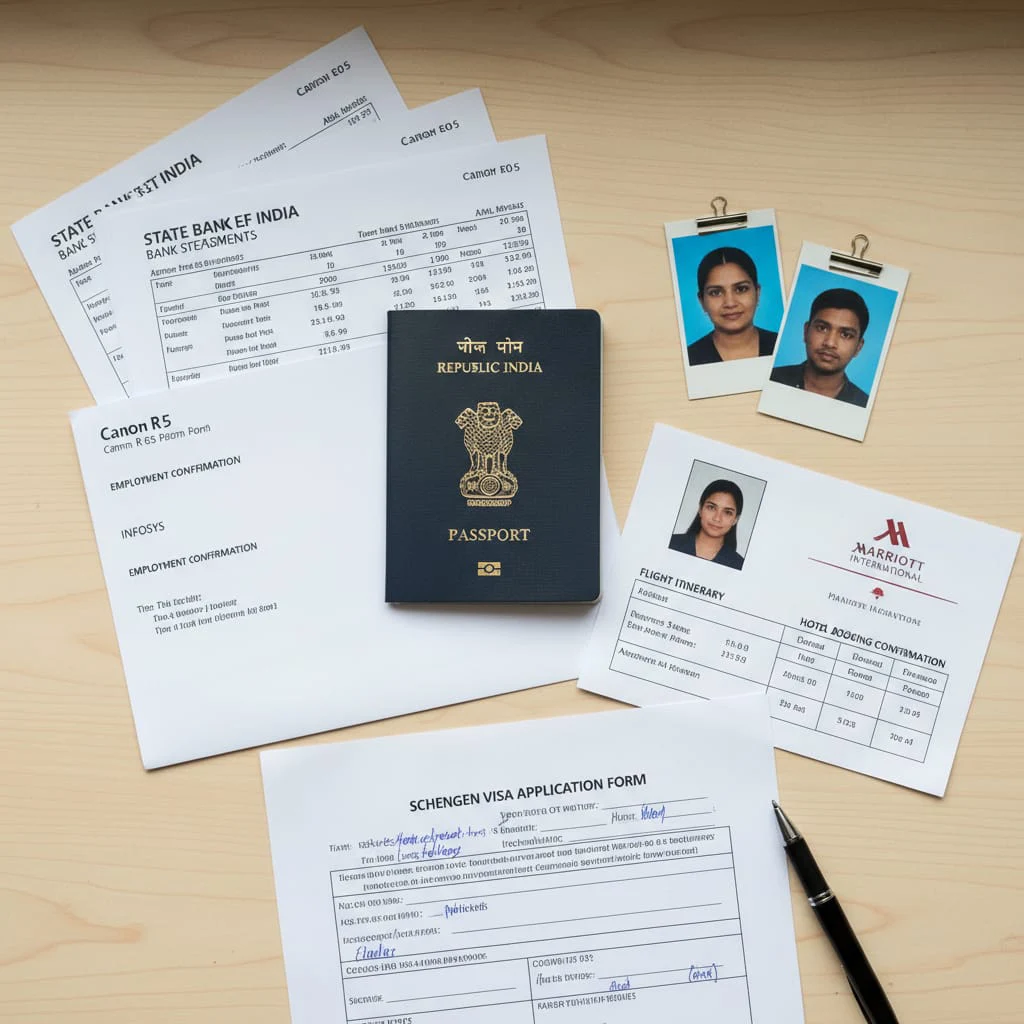
This is one of the most common Schengen visa rejection reasons. Even small errors in paperwork can create confusion and lead to rejection.
Common mistakes include:
- Missing pages in documents
- Incorrect personal details
- Unsigned application forms
- Mismatched travel dates
- Fake or unverifiable bookings
- Blurry or unclear copies
Visa officers depend heavily on documents. If something doesn’t match, the application automatically becomes less trustworthy.
How to avoid this
- Use an official checklist from the embassy
- Double-check every detail before submission
- Ensure all documents are updated and clear
- Keep a consistent format across all papers
A well-organised file instantly creates a positive impression.
Insufficient Financial Means
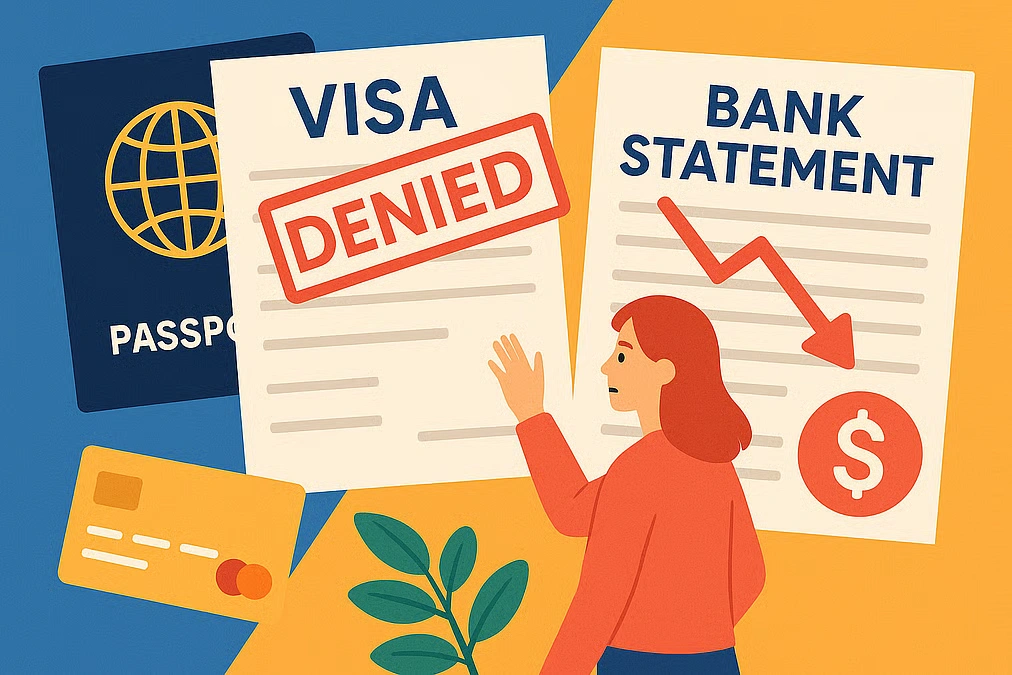
Your financial documents show whether you can afford your trip without difficulties.
What can raise red flags?
- Very low bank balance
- Sudden large deposits before applying
- Missing salary slips or income proof
- Inconsistent bank statements
- No clear sponsor details (if applicable)
Visa officers prefer stability over “big but sudden” money movements.
How to strengthen your financial proof
- Maintain a steady balance for at least a few months
- Submit 3–6 months of bank statements
- Include salary slips or income tax returns
- Provide proper sponsor documents if someone is funding your trip
Consistency matters more than showing large amounts.
Purpose of Travel Not Clearly Defined
If your travel plan is unclear, it can create confusion about your intention.
For example, just saying “tourism” without explaining where you are going or what you will do is not enough.
Common issues:
- No proper itinerary
- Conflicting travel dates
- Missing hotel or flight details
- Vague purpose of visit
How to fix it
A simple day-wise plan helps a lot:
| Day | Location | Plan |
|---|---|---|
| Day 1 | Paris | Arrival and check-in |
| Day 2 | Paris | Sightseeing (Eiffel Tower, museums) |
| Day 3 | Amsterdam | Travel and canal tour |
| Day 3 | Amsterdam | Local exploration |
A clear plan builds trust and shows genuine travel intent.
Previous Visa Issues
Your past travel history plays an important role in the decision-making process.
Problems that may affect approval:
- Overstaying a visa
- Breaking immigration rules
- Providing false information earlier
- Previous visa refusals (in some cases)
Even if the past issue was small, it’s always better to be honest.
What you should do
- Clearly explain your situation if asked
- Provide supporting documents if available
- Show strong reasons to return home (job, family, studies)
Transparency always works better than hiding facts.
Lack of Travel Insurance
A valid insurance policy covering medical emergencies is a compulsory requirement when applying for a Schengen travel permit. Many applications get rejected simply because this requirement is not properly met.
Insurance must include:
- Minimum coverage of EUR 30,000
- Valid across all Schengen countries
- Coverage for medical emergencies
- Hospitalisation and emergency evacuation
Common mistakes:
- Wrong travel dates on policy
- Low coverage amount
- Insurance not valid in Schengen countries
- Missing policy document
Always ensure your insurance is embassy-approved.
Tips for a Successful Schengen Visa Application
A strong application is all about preparation and clarity. Here are some simple but effective tips:
- Apply well in advance of travel dates
- Keep all documents complete and organised
- Maintain financial stability for months before applying
- Avoid fake bookings or false information
- Prepare a realistic travel itinerary
- Show strong ties to your home country (job, family, studies)
Final checklist before submission
| Checklist | Status |
|---|---|
| Passport valid (6+ months) | |
| Completed application form | |
| Bank statements (recent) | |
| Travel insurance | |
| Flight & hotel bookings | |
| Supporting documents |
A neat and complete file always performs better.
How to Prepare for a Visa Interview
Not everyone is called for an interview, but if you are, don’t panic. It is usually simple and short.
Common questions:
- Why are you travelling?
- Who is funding your trip?
- How long will you stay?
- What do you do for work?
- When will you return?
Tips to handle it well:
- Answer honestly and confidently
- Don’t memorise answers
- Keep responses short and clear
- Carry original documents
- Stay calm and polite
Think of it more like a confirmation, not an interrogation.
Ready to Apply with Confidence?
Getting a Schengen visa may seem stressful at first, especially with so many rejection stories online. However, most visa refusals happen because of avoidable mistakes like incomplete documents, unclear travel plans, or weak financial proof.
The good news is that careful preparation can make a huge difference. When your paperwork is organised, your financial documents are clear, and your travel purpose is genuine, your application automatically becomes stronger.
Instead of worrying about rejection, focus on presenting a well-prepared and honest application. A little extra attention today can bring you one step closer to exploring Europe without unnecessary stress.