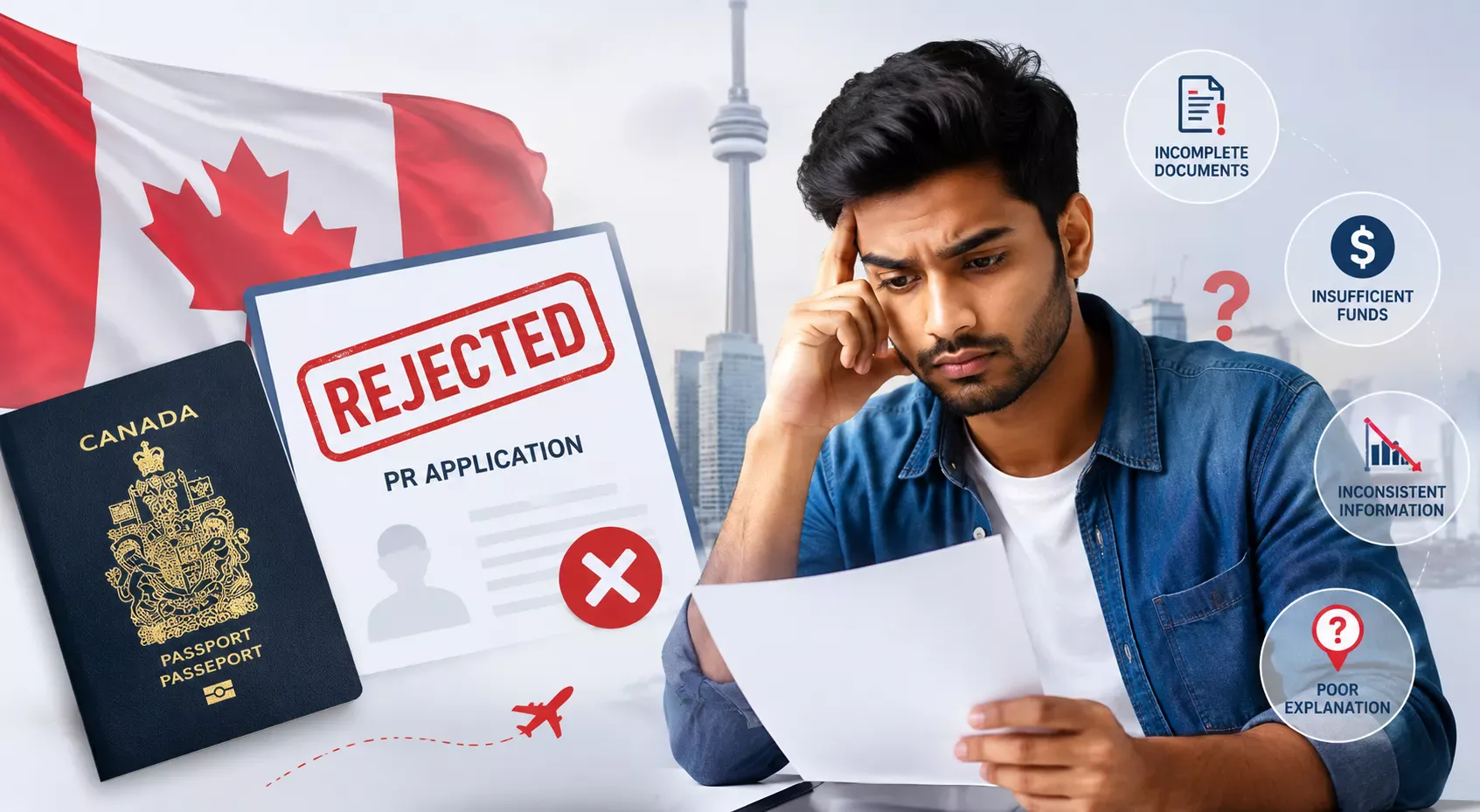
A visa application can be refused for many different reasons. Some involve eligibility, but many are simpler: a missing document, a mismatched date, or a travel plan that isn’t explained clearly. Even a genuine traveler with honest intentions can make avoidable mistakes.
Understanding the most common visa rejection reasons before you apply lets you prepare more carefully and catch weak points early. No checklist can guarantee approval, because every decision rests with the relevant immigration authority. But knowing what officers look for puts you in a stronger position.
Requirements and procedures differ by country, visa category, and individual circumstances. Always verify current rules with the official authority handling your application.
- Decisions rest with the immigration authority – no agent or checklist can guarantee an outcome
- Most refusals are avoidable – accuracy, consistency and complete documents matter more than anything else
- Requirements vary – always confirm the current rules for your country, visa category and circumstances
- A refusal is not the end – depending on the rules that apply, you may be able to appeal, review or reapply
What Is Visa Processing?
Visa processing is everything that happens between submitting your application and receiving a decision. The exact steps depend on the destination and visa type, but the general stages look like this:
- Submitting the application, online or on paper
- Providing supporting documents that back up your claims
- Paying applicable fees
- Biometric collection, such as fingerprints or a photo, where required
- An interview, where the visa category calls for one
- Review by the relevant authority, which checks eligibility and the genuineness of your purpose
- Additional verification or requests for information, if something is unclear
- A final decision
Some visas are decided quickly with no interview. Others involve multiple stages and longer waits. Never assume the process for one country applies to another.
If you would rather have the paperwork handled with guidance at each stage, our visa assistance services walk you through the document list and submission steps for your destination.
Why Are Visa Applications Rejected?
Officers assess each application against the criteria for that particular visa category. A refusal usually means the application did not satisfactorily show that those criteria were met, based on the information provided.
The most common reasons for visa rejection include errors or inconsistencies in the application, missing or inadequate documents, weak financial evidence, an unclear purpose of travel, poor interview performance, concerns about compliance with visa conditions, and previous immigration problems. Exact grounds vary by country and visa type.
A refusal does not always mean the applicant did something seriously wrong. Often the application was incomplete, poorly documented, or failed to demonstrate a requirement clearly. “Visa refusal,” “visa rejection,” and “visa denial” are frequently used to describe the same outcome, though some countries use specific legal terms, so read your own decision notice for the exact wording.
8 Common Visa Rejection Reasons
These are general factors, not universal rules. Whether any of them leads to refusal depends on the country and visa category.

1. Mistakes and Contradictions in the Form
Wrong passport numbers, misspelled names, or answers that conflict with each other can undermine an otherwise sound application.
Example: A traveler lists a trip as ten days on the form but shows a two-week hotel booking.
How to avoid it: Check every field against your passport and documents, and have someone else read it before you submit.

2. Missing or Unsuitable Documents
Officers rely on documents to verify what you claim. Missing items, expired papers, or irrelevant paperwork leave gaps.
Example: An applicant submits a bank statement from a year ago when the checklist asks for recent records.
How to avoid it: Follow the official document list for your exact visa category, and confirm each item is current.
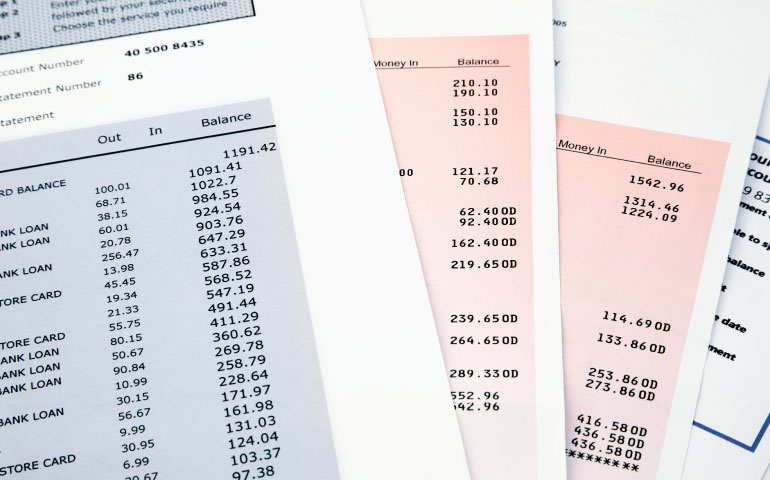
3. Financial Evidence That Doesn’t Add Up
Applicants are often expected to show they can cover their costs. Problems arise when funds appear too low, come from an unexplained source, or don’t match the stated plans.
Example: A large deposit appears in an account shortly before applying, with no explanation.
How to avoid it: Provide clear, recent records, and be ready to explain any unusual transactions honestly.
4. A Vague or Unconvincing Travel Purpose
The purpose of your trip must fit the visa category. If an officer can’t tell why you’re going, where you’ll stay, or what you’ll do, doubts follow.
Example: A tourist visa applicant can’t describe any planned activities or itinerary.
How to avoid it: State your purpose plainly and support it with relevant evidence, such as an itinerary, invitation, or enrollment letter.
5. Weak Preparation for an Interview
Where an interview is required, it tests whether your answers match your paperwork.
Example: An applicant forgets the name of the institution or employer listed in their own application.
How to avoid it: Reread your full application beforehand, and practice explaining your plans in your own words.
6. Not Enough Evidence for Your Circumstances
Sometimes documents are present but don’t address the real question. A student visa may call for proof of study plans, a business visa for evidence of the business purpose.
Example: A business traveler submits a passport and flight booking but nothing showing what the business trip involves.
How to avoid it: Ask what your specific visa is meant to demonstrate, then include evidence that speaks directly to it.
7. Doubts About Following the Visa Conditions
For temporary visas, authorities may consider whether the applicant will respect permitted activities and leave when required. This applies to some categories and not others.
Example: An applicant with limited job, study, or family connections at home gives no context about their situation.
How to avoid it: Where relevant, provide truthful documentation of your real circumstances, such as employment, education, or family responsibilities. Never invent or exaggerate evidence.
8. Past Immigration Problems
Earlier overstays, unauthorized work, false statements, or previous violations can influence how a new application is assessed.
Example: An applicant fails to mention a past refusal that the form asked about.
How to avoid it: Answer history questions accurately, and consider qualified advice if you have a complicated record.
Because criteria differ between destinations, it also helps to read guidance written for the specific visa you are applying for — for example, our breakdown of Schengen visa rejection reasons if Europe is your destination, or our guide to Turkey visa rejection reasons for Indians if you are planning Turkey.
Visa Application Mistakes to Avoid
The reasons above describe why applications fail. These habits are how the failures happen. Common visa application mistakes include:
- Entering incorrect personal information, like a transposed digit in a passport number
- Using inconsistent dates across the form, tickets, and bookings
- Leaving unexplained gaps, such as unaccounted employment or study periods
- Submitting expired documents, including passports close to expiry
- Ignoring format rules for file size, scan quality, or photo specifications
- Providing unclear translations where certified translations are required
- Giving incomplete answers or skipping fields
- Submitting information that conflicts with supporting documents
- Leaving preparation until the last minute, which makes all of the above more likely
How can I avoid common visa application mistakes? Read the official instructions first, complete every field accurately, check that dates and details match across all documents, and start early enough to fix problems before the deadline.
A useful habit is to review your application as though you were the officer, looking for anything that raises a question.
A Comprehensive Visa Application Checklist
Use this before submitting, and adjust it to your visa type:
- Passport and identity documents: Valid for the required period, with blank pages if needed
- Application form: Complete, accurate, and signed where required
- Photographs: Meeting the size and format requirements, if applicable
- Financial documents: Recent, clear, and consistent with your plans
- Employment, business, or student evidence: Where relevant to your category
- Accommodation details: Bookings or host information, if required
- Travel itinerary: Matching your stated purpose and dates
- Invitation or sponsorship documents: If applicable
- Travel history: Previous visas or trips, where relevant
- Insurance: Where required
- Translations and certifications: Provided where the authority asks for them
- Fee and appointment: Fee paid, biometric or interview slot booked
- Final consistency check: Names, dates, and figures agree across everything
Requirements differ by country and visa category, so verify them through the official source for your application. Our team can also help you go through the list item by item through our visa assistance desk in Mumbai.
What Happens After a Visa Rejection?
A refusal is disappointing, but a calm, methodical response helps most.
- Read the decision notice carefully. It may explain the grounds and your options.
- Identify the stated reason. Note whether it concerns documents, eligibility, credibility, or something else.
- Check whether the decision can be challenged or reviewed. The notice often says whether an appeal or administrative review exists, and by when.
- Correct genuine problems before making another application.
- Avoid resubmitting the same incomplete application. Doing so rarely changes the outcome.
Can You Appeal a Visa Rejection?
Can you appeal a visa rejection? Sometimes. Whether a visa refusal can be appealed depends on the country, the visa category, and the type of decision.
Some systems offer an appeal, administrative review, or reconsideration process. Others allow none, or restrict it to certain visa types or grounds. Where a route exists, deadlines can be short, so check your notice promptly.
It helps to distinguish two paths. Challenging a decision asks an authority to examine whether the original decision was reached properly. Submitting a fresh application starts over with improved information or evidence. Which is more suitable depends on the reason for refusal and the rules that apply.
Because appeals can involve legal procedures, complicated or high-stakes cases may benefit from advice from a qualified immigration professional in the relevant jurisdiction.
What If an Appeal Isn’t Allowed?
When no formal route exists, you still have practical options:
- Understand the reason for refusal as fully as possible
- Check whether your circumstances have changed, such as new employment, study status, or finances
- Address missing evidence the officer may have wanted
- Correct application errors that can be fixed
- Confirm whether you’re eligible to reapply, since some systems set waiting periods or conditions
- Avoid repeated applications that don’t resolve the underlying concern
Reapplying never guarantees approval. It only gives you another chance to present a stronger case.
Reapplying After a Visa Rejection
Can I reapply after a visa rejection? In many cases, yes, but the rules depend on the country, visa type, and reason for refusal. Some situations involve waiting periods or restrictions.
To reapply responsibly:
- Review the previous refusal and identify what went wrong.
- Fix the underlying issue rather than just resubmitting.
- Update documents so they’re current.
- Provide clearer evidence where doubts were raised.
- Ensure consistency across the whole application.
- Explain relevant changes where appropriate, such as a new job or updated finances.
- Check current requirements, as rules and forms can change.
Submitting the same application without addressing the earlier concern may simply produce the same result.
How Can a Visa Rejection Affect Future Applications?
Does visa rejection affect future applications? It can be relevant, because many application forms ask about previous refusals. But it does not necessarily mean later applications will fail.
Where a form asks, disclose previous refusals accurately and completely. Concealing one can create a far bigger problem than the refusal itself. Keep your information consistent with your earlier application, and where a specific concern was raised, show how it has been addressed.
Effects differ between countries and depend on the visa category and the reason behind the earlier refusal. Many applicants succeed after a refusal by presenting a clearer, better-prepared case.
Final Pre-Submission Tips
- Verify every personal detail against your passport
- Check the latest official requirements for your visa category
- Organize supporting documents in the order the checklist suggests
- Make sure information is consistent everywhere
- Prepare for an interview if one is required
- Keep copies of everything you submit
- Review the whole application once more before sending
- Be truthful and transparent throughout
Conclusion
Most visa rejection reasons come down to a handful of themes: inaccurate or inconsistent information, missing or unsuitable documents, weak financial evidence, an unclear travel purpose, interview difficulties, doubts about compliance, and past immigration issues. Many are preventable with early preparation, careful checking, and honest, well-organized evidence.
If your application is refused, read the notice carefully, understand the grounds, and decide whether to seek a review, correct the problem, or reapply. Since requirements vary by country and visa category and can change, rely on the official authority for current rules.
If you’d like to explore visa-related information or assistance as you plan, you can visit the Shree Krishna Travel World visa page.