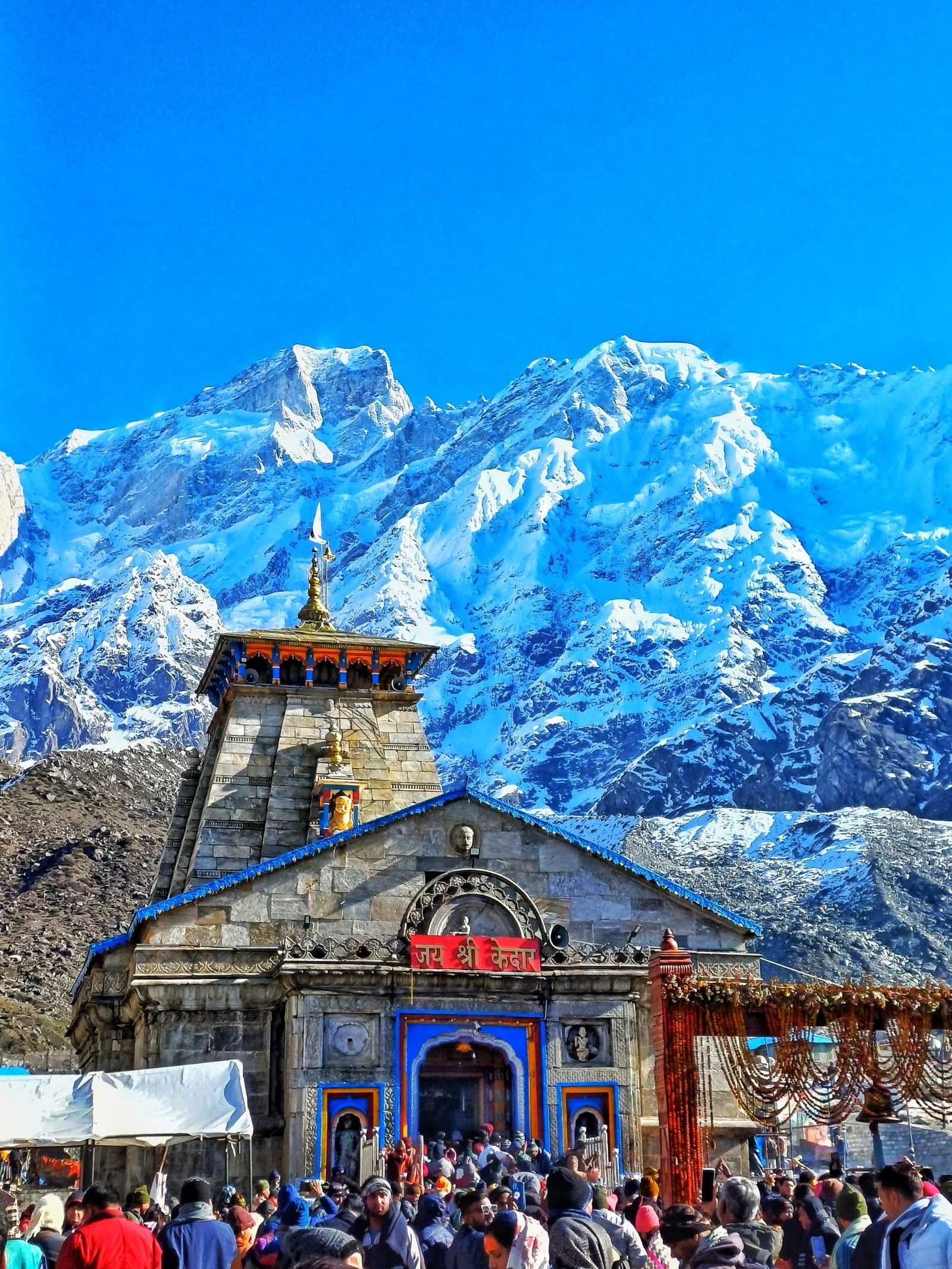
There’s a moment on the Kedarnath trail, somewhere past Linchauli, when the forest thins out, the air turns thin too, and the first glimpse of the temple’s stone spire appears against the Himalayan skyline. That single view is why thousands of pilgrims push through the 16-kilometre climb every year, regardless of aching legs and dropping temperatures.
Getting to that moment, though, takes planning. How far is the trek really? What’s the route from Gaurikund? Is it safe for beginners? What should go in your bag, and how much should you budget? This Kedarnath Trek Guide answers all of it - route, distance, difficulty, registration, packing list, and 2026-specific updates - so you can focus on the journey rather than the logistics.
Where Is Kedarnath and Why the Trek Matters
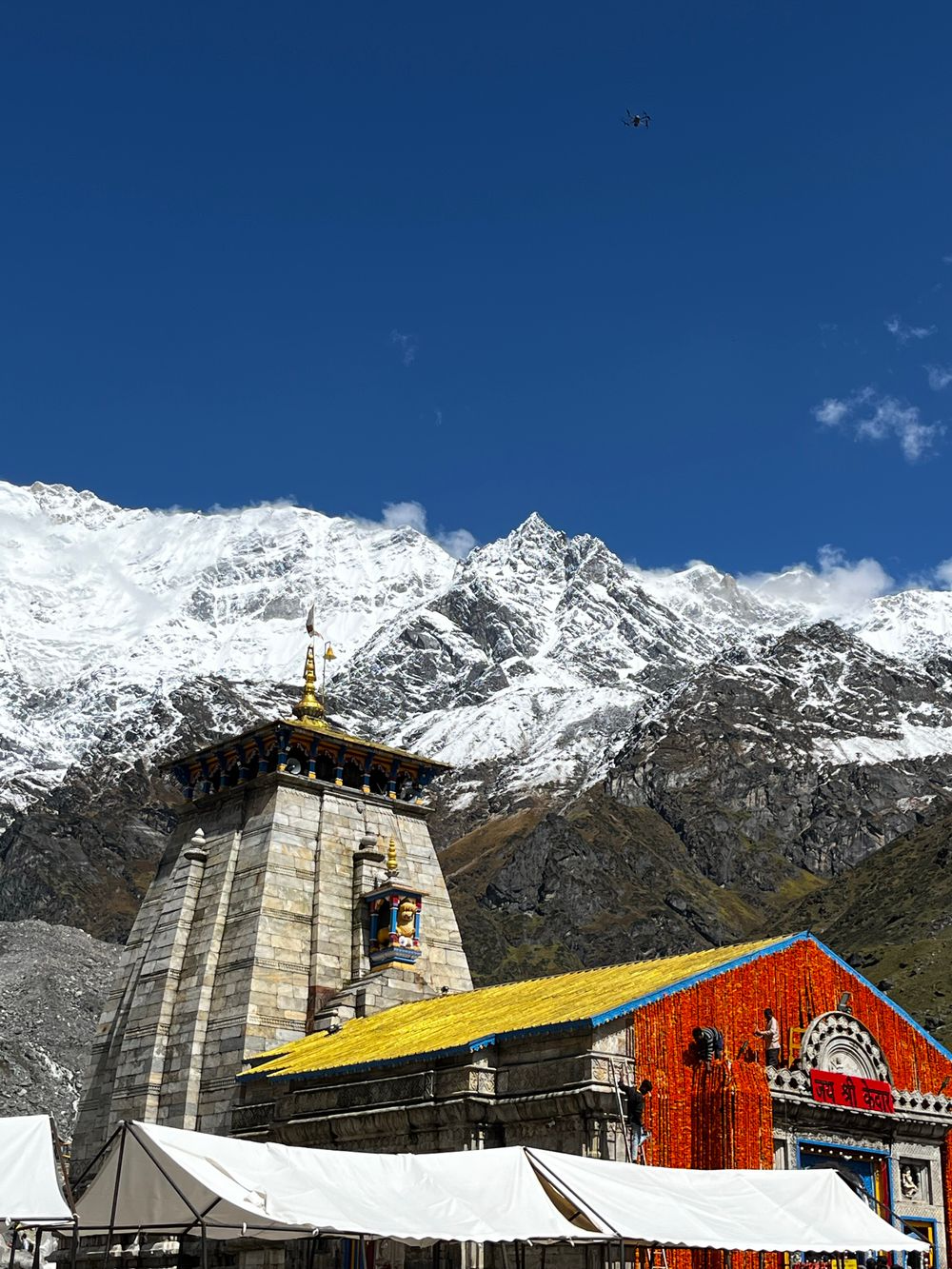
Kedarnath Temple sits at 3,583 metres (11,755 ft) in the Garhwal Himalayas of Uttarakhand, on the banks of the Mandakini River. It’s one of the twelve Jyotirlingas dedicated to Lord Shiva and a key stop on the Char Dham Yatra circuit, alongside Badrinath, Gangotri, and Yamunotri.
Since the temple is accessible only by foot, pony, palanquin, or helicopter, the trek isn’t a scenic add-on - it’s the only way most pilgrims reach the shrine. That’s what makes understanding the Kedarnath trek route and distance essential before you book anything.
Kedarnath Trek Distance: How Far Is Gaurikund to Kedarnath?
The Gaurikund to Kedarnath distance is 16 kilometres one way - 32 km round trip on foot. Worth knowing: this is longer than the original pre-2013 route, which was rebuilt to 16 km (up from roughly 14 km) after the flood reconstruction.
The trail starts at around 1,980 metres in Gaurikund and climbs to 3,583 metres at the temple, a gain of about 1,300 metres. Most trekkers cover the ascent in 6 to 9 hours, while the descent takes 4 to 6 hours, depending on fitness, weather, and crowd levels.
- The Kedarnath trek distance from Gaurikund is 16 km one way, with an elevation gain of about 1,300 metres, reaching a final altitude of 3,583 metres above sea level.
- Trail timing rule: the route closes for upward movement at 5:00 PM and for descent at 6:30 PM. Start no later than 6:00 AM to finish comfortably.
Kedarnath Route Map: Stage-by-Stage Breakdown
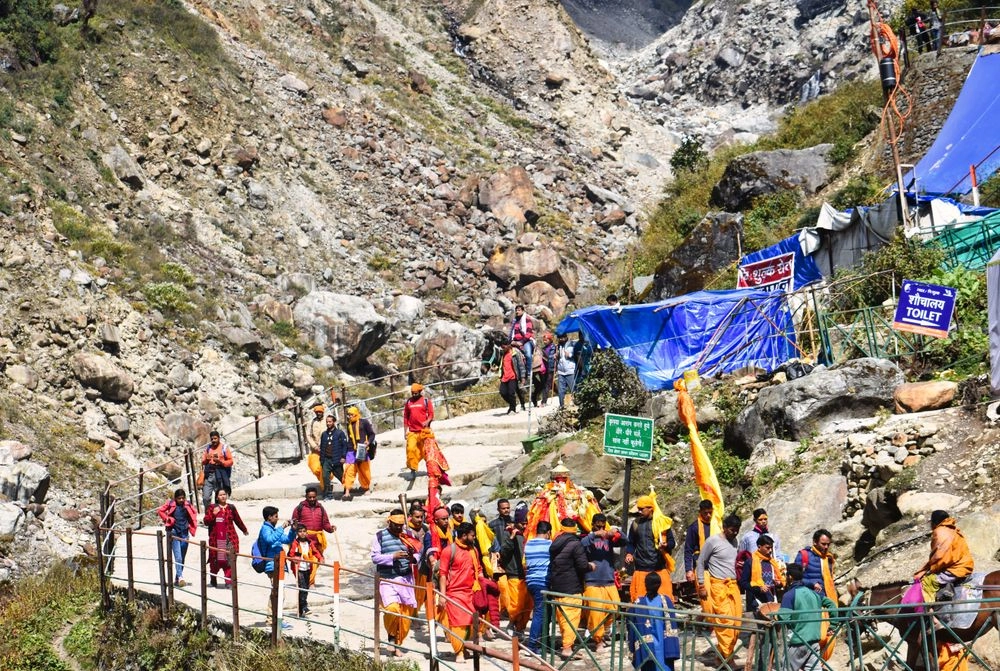
The route follows the Mandakini River valley and is divided into well-marked stages, each with rest points, food stalls, and basic medical aid.
| Stage | Distance | Approx. Time | What to Expect |
|---|---|---|---|
| Sonprayag to Gaurikund | 5 km (shared jeep) | 20–30 min | Base point where the trek officially begins |
| Gaurikund to Jungle Chatti | 4 km | 1.5–2 hrs | Moderate gradient; first major rest stop with food stalls |
| Jungle Chatti to Bheembali | 3 km | 1 hr | Steeper incline; GMVN tents, free water and restrooms |
| Bheembali to Linchauli | 4 km | 1.5–2 hrs | Most demanding stretch; medical camp and tents available |
| Linchauli to Base Camp | 3 km | 1 hr | Altitude effects increase; glacier views begin |
| Base Camp to Kedarnath Temple | 2 km | 30–45 min | Final steep ascent; GMVN camp bookings available |
Pace the trek stage by stage rather than pushing through in one continuous stretch, especially for first-timers.
Sonprayag to Kedarnath: Getting to the Trailhead
Sonprayag is the last major transit hub before the trek begins. Vehicles must stop here, and a short shared jeep covers the remaining 5 km to Gaurikund. Sonprayag is also where mandatory registration and biometric checks happen, so arrive early - during peak season (May–June), queues form well before sunrise.
How to Reach Kedarnath: Route Options from Major Cities
Most journeys begin from Haridwar or Rishikesh, both well connected to Delhi by rail, road, and air.
- By Road: Haridwar to Sonprayag covers roughly 210 km and takes 10–11 hours through Rudraprayag and Guptkashi. GMOU/UPSRTC buses cost ₹700–₹1,000, while private cars run ₹3,000–₹4,000.
- By Air: Jolly Grant Airport, Dehradun, is the nearest airport; continue by taxi or bus to Haridwar/Rishikesh.
- By Rail: Haridwar and Rishikesh are the nearest railheads with regular Delhi connections.
- By Helicopter: Services operate from Phata, Guptkashi, and Sirsi. Even helicopter passengers must walk the final 500–700 metres from the helipad to the temple.
Tip: Leave your main luggage at your hotel in Sonprayag or Guptkashi and carry only a trekking daypack up the mountain.
Best Time to Visit Kedarnath
- May to June: Stable weather, clear skies - the most popular window, also the most crowded.
- September to October: Quieter trails, crisp air, colder nights; season ends with temple closure in late October/early November.
- July to August: Avoid. Monsoon rains bring landslides and slippery paths.
Kedarnath weather stays cold year-round at altitude, with daytime temperatures of 5°C–18°C in peak season, dropping close to freezing after dark even in summer. Warm layers are non-negotiable regardless of when you go.
Kedarnath Temple Opening Date 2026
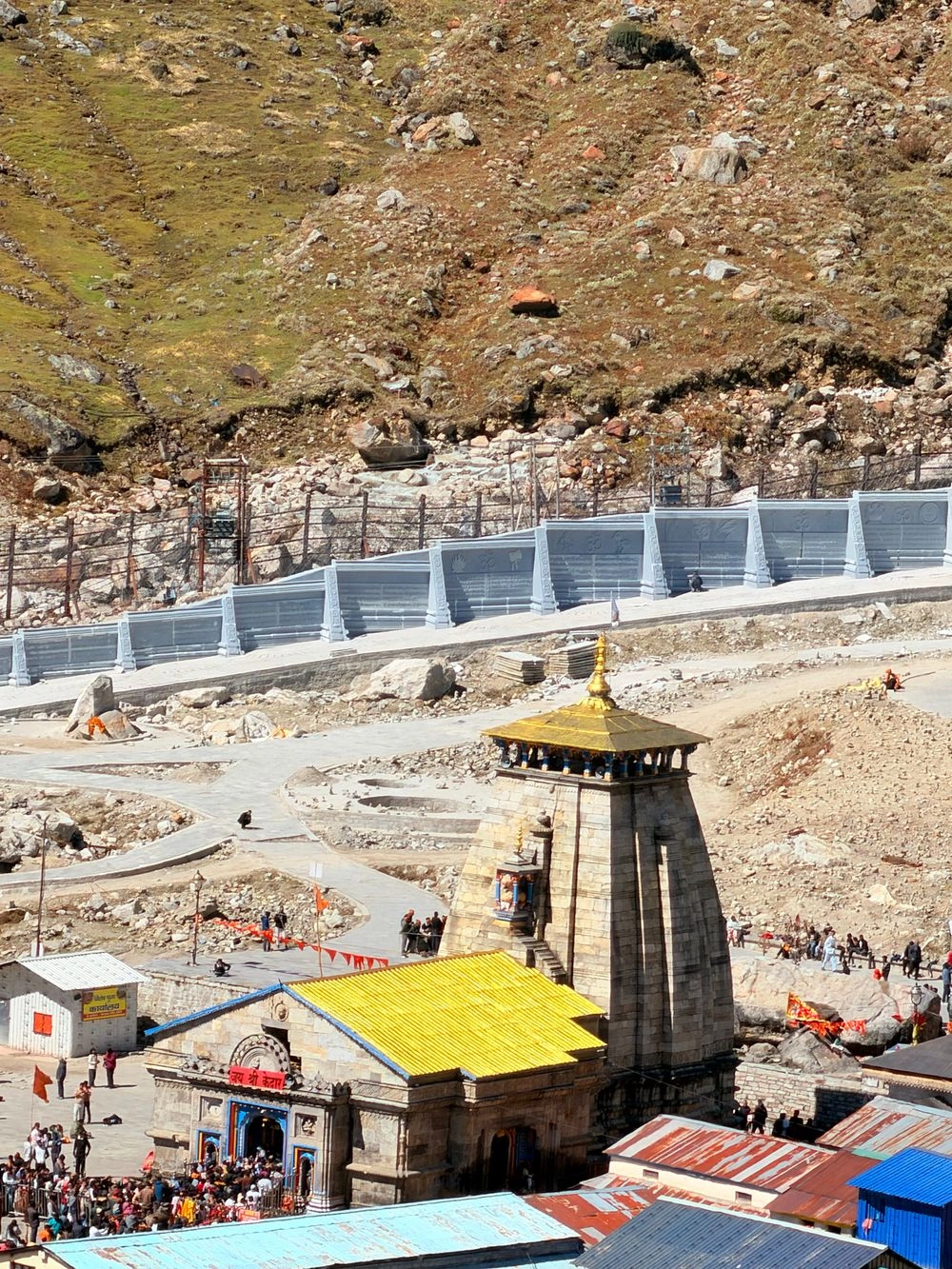
The temple closes for winter (the deity is shifted to Ukhimath) and reopens each spring once snow clears. For 2026, the opening date is confirmed as 22 April, with doors opening at 8:00 AM, announced traditionally on Mahashivratri. The temple typically stays open through late October or early November - plan your Kedarnath Trek 2026 within this window.
Kedarnath Registration: What You Need for 2026
Registration is mandatory and free for every pilgrim on the Kedarnath Yatra 2026.
How to register:
- Visit the official Uttarakhand registration portal or the Tourist Care Uttarakhand app.
- Create an account, enter travel dates, and upload valid ID proof.
- Download your QR-coded registration letter.
- Carry both digital and printed copies throughout the journey.
Offline counters are available in Haridwar, Rishikesh, and at the Sonprayag checkpoint. Registration for 2026 opened in early March, so complete it at least two to three weeks before you travel. Without a valid pass, you won’t be allowed past Sonprayag.
Kedarnath Trek Difficulty: Is It Right for Beginners?
The Kedarnath trek for beginners is achievable but shouldn’t be underestimated. It’s rated moderate to moderately difficult — the trail itself is well-paved and well-marked, but the sustained 16 km uphill climb combined with altitude above 3,500 metres is the real test.
- Start basic fitness prep - brisk walking, stairs, light jogging - three to four weeks before your trip.
- Altitude, not terrain, is the actual challenge. Go slow and hydrate constantly.
- Children, elderly pilgrims, or those with health conditions should consult a doctor and consider pony, palanquin, or helicopter options.
- Medical aid stations sit at regular intervals along the trail.
Pony, Palanquin, and Helicopter Services
- Pony Service: ₹3,000–₹5,000 one way.
- Palanquin (Palki): ₹4,500–₹7,000 one way.
- Helicopter: ₹5,500–₹7,500 round trip from Phata, Guptkashi, or Sirsi. Book only through authorised operators — seats sell out fast and unofficial agents are common.
Yatra registration is separate from helicopter booking - you need both.
Kedarnath Trek Cost: Budgeting Your Trip
- Travel (Haridwar/Rishikesh to Sonprayag, bus or shared cab): ₹700–₹4,000
- Accommodation (Guptkashi/Sonprayag, per night): ₹1,000–₹3,000
- Pony/palanquin (optional): ₹3,000–₹7,000 one way
- Food and miscellaneous: ₹1,500–₹2,500 for the trip
Fares vary by season and operator - treat these as planning estimates and confirm current rates before booking. A guided package with Shree Krishna Travel World bundles transport, stay, and route support, often working out simpler and more economical than arranging each leg separately.
Kedarnath Trek Itinerary: How Many Days Do You Need?
Most Kedarnath Yatra 2026 itineraries run 4 to 5 days:
- Day 1: Travel from Haridwar/Rishikesh to Sonprayag or Guptkashi.
- Day 2: Drive to Gaurikund, begin trek to Kedarnath (6–9 hours).
- Day 3: Temple darshan, rest, optional visit to Gandhi Sarovar or Bhairavnath Temple.
- Day 4: Descend to Gaurikund, travel back to Sonprayag/Guptkashi.
- Day 5: Return journey to Haridwar/Rishikesh.
Add a buffer day for acclimatisation, especially on a first trek.
- Clothing: Thermal base layers, fleece or light down jacket, waterproof windcheater/rain jacket, quick-dry trekking trousers, broken-in trekking shoes with ankle support, 2–3 pairs of wool or synthetic socks (avoid cotton).
- Trek essentials: Reusable water bottle and purification tablets, high-energy snacks, high-SPF sunscreen and UV lip balm, sunglasses, headlamp or torch with spare batteries, portable charger and offline maps.
- First aid & documents: Pain relievers, antihistamines, blister plasters, altitude sickness medication (consult your doctor about Diamox), and your registration pass, ID, and travel insurance in a waterproof pouch.
Kedarnath Travel Tips from Shree Krishna Travel World
- Start your trek by 6:00 AM - the trail closes for upward movement at 5:00 PM.
- Book accommodation in Guptkashi or Sonprayag in advance during peak months (May–June).
- Avoid monsoon travel (July–August) entirely.
- Register early - the portal sees heavy traffic close to the opening-date announcement.
- Use only official operators for pony, palanquin, and helicopter bookings.
- Carry cash in smaller denominations; digital payments can be unreliable on the trail.
Plan Your Kedarnath Yatra 2026 with Confidence
The Kedarnath trek isn’t just 16 kilometres - it’s about preparing well enough that the climb becomes part of the experience. Shree Krishna Travel World offers complete Kedarnath Yatra packages covering transport, accommodation, registration assistance, and guided trekking support. Get in touch for customised packages and expert route guidance.