There’s a reason seasoned travelers say you don’t just visit India, you eat your way through it. Every train platform, roadside stall, and family kitchen tells a different culinary story, and no two regions serve quite the same meal. If you’re planning a trip and searching for the best food in India, the honest answer is that there isn’t a single list that captures it all. India’s food culture shifts with its geography, climate, religion, and history, so the “best” dish often depends on where you happen to be standing with an empty stomach.
This Indian food guide is built for travelers who want more than a menu. It’s meant to help you understand how India’s regions cook differently, which dishes are genuinely worth seeking out, and how to eat your way through the country with curiosity instead of hesitation. By the end, you’ll have a practical framework for tasting traditional Indian food wherever your itinerary takes you.
- North India – rich gravies, tandoor breads and meats, dairy-heavy (butter chicken, chole bhature)
- West India – bold Mumbai street food to Gujarat’s lighter, sweeter plates (vada pav, dhokla)
- East India – rice, fish, and mustard oil at the core (Bengali fish curry, rasgulla)
- South India – rice, lentils, and coconut everywhere (dosa, idli, sambar)
- Central India – lesser-known but distinctive, corn- and lentil-based dishes (poha, dal bafla)
Why Indian Food Is a Must-Try for Travelers
Indian cuisine isn’t one cuisine at all. It’s a collection of regional food traditions shaped by climate, soil, religion, trade routes, and centuries of cultural exchange. A meal in Punjab looks almost nothing like a meal in Kerala, and even neighboring states can have distinct approaches to spicing, cooking techniques, and staple ingredients.
A few things make Indian food stand out for travelers:
- Regional diversity – coastal states lean on seafood and coconut, northern plains favor wheat and dairy, and the Deccan plateau built its cuisine around rice, lentils, and tamarind.
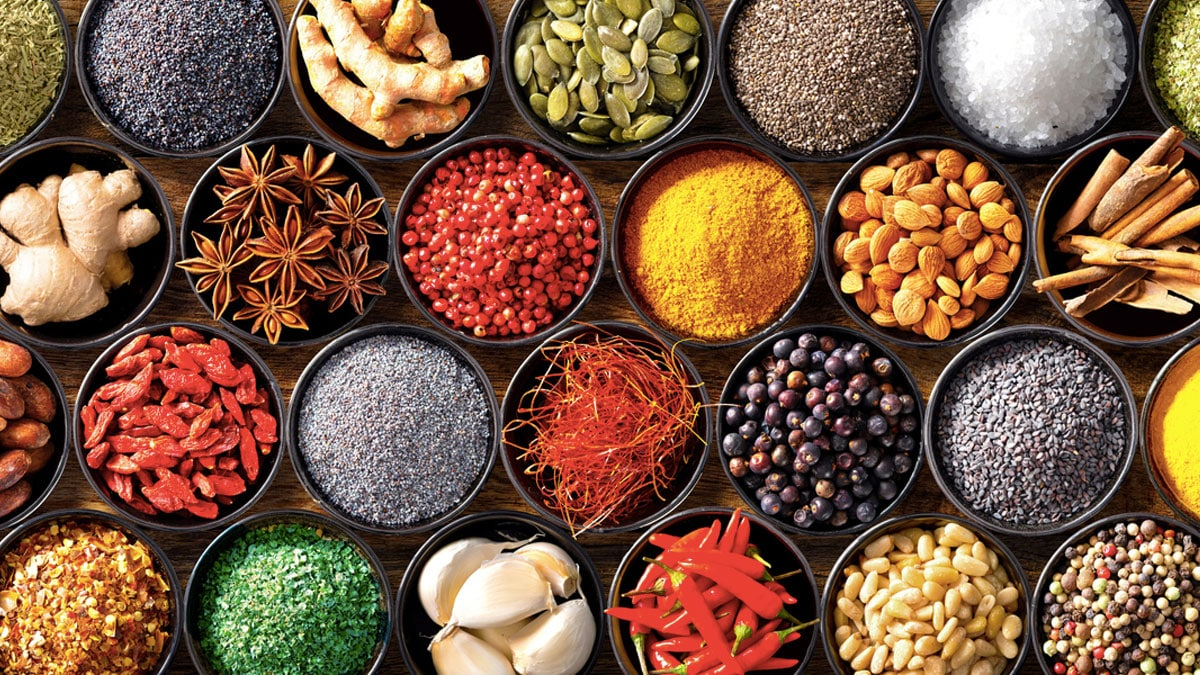
- Spices and herbs – cumin, coriander, turmeric, mustard seed, curry leaves, and cardamom are used with intention, not just heat. Spice blends, known as masalas, vary by household and region.
- Vegetarian and non-vegetarian traditions – India has one of the world’s largest vegetarian populations, with sophisticated vegetarian cooking developed out of tradition, alongside rich meat and seafood dishes in coastal and northern regions.
- Street food culture – some of the most memorable meals happen standing at a cart, not seated at a restaurant.
- Traditional cooking methods – tandoors, clay pots, stone grinding, and slow simmering are still common, especially outside major cities.
- Local and seasonal ingredients – menus shift with the harvest: mangoes in summer, mustard greens in winter, monsoon-season vegetables in the rains.
- Cultural and historical influences – Mughal courts, Portuguese traders, British colonization, and centuries of internal migration all left their mark, from biryani to Goan vindaloo.
If you’ve ever wondered how many types of Indian food exist, the honest answer is that there’s no fixed number. India’s cuisine is really a network of regional and community-based food traditions, each with its own staples, techniques, and specialties, rather than one uniform national cuisine.
Explore India’s Regional Food Culture
Understanding India’s regional food culture is the fastest way to plan a trip around eating well. Here’s a practical overview of what to expect as you move across the country.
North Indian Cuisine
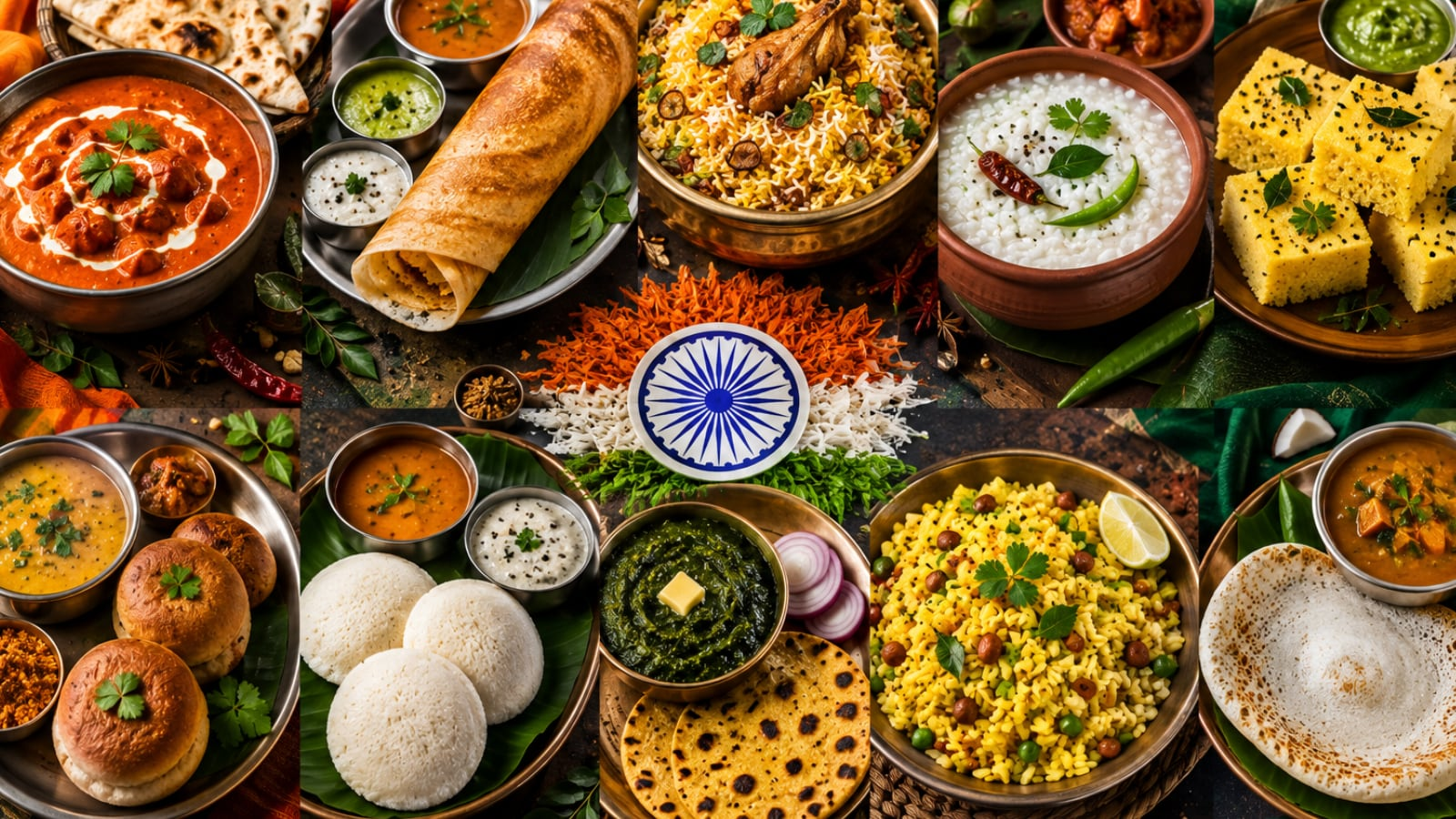
North Indian food is what many international travelers picture first: rich gravies, tandoor-cooked meats and breads, and generous use of dairy like ghee, paneer, and cream. Punjab’s influence is strong here, giving the region dishes like butter chicken, a tomato-based curry finished with cream, and chole bhature, a combination of spiced chickpeas and fried bread that’s a popular breakfast in Delhi. Kebabs, grilled in clay tandoors, and fresh naan are staples, and wheat generally takes precedence over rice as the everyday grain.
West Indian Cuisine
Western India covers a wide flavor range, from Maharashtra’s bold street food to Gujarat’s sweeter, more delicate cooking. In Mumbai, vada pav, a spiced potato fritter in a bun, functions as the city’s unofficial fast food. Pav bhaji, a buttery mashed-vegetable curry served with bread rolls, is another Mumbai street classic. Gujarat contributes dhokla, a steamed, slightly tangy snack made from fermented rice and lentil batter, while Rajasthan is known for dal baati churma, a hearty combination of lentils, baked wheat balls, and a sweet crumble. Along the Goan coast, Portuguese influence shows up in vinegar-based curries and fresh seafood.
East Indian Cuisine
Eastern India, spanning West Bengal, Odisha, Bihar, and Jharkhand, has a food culture built around rice, fish, and mustard oil. Bengali cuisine is particularly known for its fish preparations, often cooked in mustard-based gravies, and for rasgulla, a spongy, syrup-soaked cheese dessert that has become popular across the country. In Bihar, litti-chokha, roasted wheat balls stuffed with spiced gram flour and served with a smoky mashed vegetable side, reflects a simpler, more rustic style of cooking common in the region’s rural areas.
South Indian Cuisine
South India, covering Tamil Nadu, Kerala, Karnataka, Andhra Pradesh, and Telangana, relies heavily on rice, lentils, and coconut. Breakfast staples like dosa, a fermented rice-and-lentil crepe, and idli, steamed rice cakes, are eaten across the region, usually alongside sambar, a tangy lentil and vegetable stew. Kerala’s cuisine leans on coconut milk and curry leaves, especially in its seafood and vegetable stews, while appam, a soft, bowl-shaped rice pancake, is a Kerala breakfast favorite. South Indian biryani, particularly from Hyderabad, offers a different take on the rice dish than its northern counterparts, with a distinct layering technique and spice profile.
Central Indian Cuisine
Madhya Pradesh and Chhattisgarh often get overlooked, but they offer some genuinely distinctive dishes. Poha, flattened rice cooked with onions, turmeric, and mustard seeds, is a common Indore breakfast. Bhutte ka kees, grated corn cooked with milk and spices, is a regional specialty tied to the area’s corn harvests, and dal bafla, a Rajasthani-influenced dish of lentils with baked wheat dumplings, shows up in parts of the region as well.
So which region has the best food? There’s genuinely no single answer. It depends on your spice tolerance, whether you prefer rice or wheat as a base, how you feel about seafood, and what kind of eating experience you’re after, whether that’s slow-cooked comfort food, bold street snacks, or delicate coastal flavors. Part of the fun of traveling through India is figuring out your own answer.
Top 10 Dishes to Try When Traveling in India
This list pulls from multiple regions rather than concentrating on the most internationally famous options. Each of these dishes tells you something real about where it comes from.
- 1. Butter Chicken (Delhi/Punjab) – a creamy, tomato-based chicken curry that originated in Delhi’s Moti Mahal restaurant. Rich and mild compared to many other Indian curries, making it an accessible entry point for travelers new to Indian food.
- 2. Masala Dosa (South India) – a crisp, fermented rice-and-lentil crepe filled with spiced mashed potato, served with coconut chutney and sambar. Found everywhere from roadside stalls to sit-down restaurants across South India.
- 3. Biryani (Hyderabad and beyond) – layered rice cooked with meat or vegetables and a blend of whole spices, varying significantly by city. Hyderabadi biryani, cooked using the dum method, is particularly well regarded.
- 4. Pav Bhaji (Mumbai) – a thick, buttery mashed-vegetable curry served with soft bread rolls. Street food at its most comforting, with Mumbai’s beach-side stalls a classic place to try it.
- 5. Litti Chokha (Bihar) – roasted wheat balls stuffed with spiced roasted gram flour, served with mashed eggplant and tomato. Rustic and smoky, a taste of Bihar’s rural food traditions.
- 6. Rogan Josh (Kashmir) – a slow-cooked, deeply spiced lamb curry from the Kashmir Valley, known for its rich red color from Kashmiri chilies and aromatic spices rather than heavy dairy or cream.
- 7. Dhokla (Gujarat) – a steamed, savory cake made from fermented rice and chickpea flour batter, tempered with mustard seeds and curry leaves. Light and tangy.
- 8. Fish Curry (Kerala or West Bengal) – Kerala’s version leans on coconut milk and curry leaves, while Bengal’s uses mustard paste and mustard oil for a sharper, more pungent flavor.
- 9. Chole Bhature (Delhi/Punjab) – spiced chickpeas served with deep-fried bread, a hearty, popular breakfast or lunch dish in North India, especially in Delhi’s older markets.
- 10. Rasgulla (West Bengal/Odisha) – a soft, spongy cheese ball soaked in light sugar syrup. One of the most well-known Indian desserts, a good way to end a meal.
Must-Eat Foods Across Indian States
Beyond the dishes above, here’s a quick reference for regional specialties worth seeking out if your travels take you to these states. This is only a starting point – nearly every state has multiple local specialties beyond what’s listed here, and asking locals for their personal favorites will usually lead you somewhere this list doesn’t cover.
| State | Signature Dish | What It Is |
|---|---|---|
| Rajasthan | Dal Baati Churma | Lentils, baked wheat balls, and a sweet wheat crumble – built around the region’s desert-adapted, storable ingredients |
| Goa | Vindaloo | A vinegar-and-chili-based curry with Portuguese roots, traditionally made with pork, noticeably sharper than most Indian curries |
| Tamil Nadu | Chettinad Chicken | A fiery, aromatic curry built on a distinctive Chettinad spice blend, known for dried spices and coconut |
| Punjab | Sarson da Saag with Makki di Roti | Mustard greens cooked down into a thick, earthy dish, served with cornmeal flatbread – a winter staple |
| Maharashtra | Misal Pav | A spicy sprouted-lentil curry topped with crunchy toppings and served with bread, popular as breakfast or a snack |
| Odisha | Pakhala Bhata | Fermented rice soaked in water, served with vegetables and fried items, especially common in the summer heat |
| Karnataka | Bisi Bele Bath | A spiced rice-and-lentil dish cooked with vegetables and tamarind, a Karnataka comfort food staple |
| Uttar Pradesh | Tunday Kebab | Minced meat kebabs from Lucknow, known for their soft texture and complex spicing tied to Awadhi cooking |
Practical Tips for Exploring Traditional Indian Food
Eating well in India takes a little strategy, especially if you’re new to the country. A few practical habits go a long way.
- Start with busy, well-reviewed spots – high turnover generally means fresher food, whether it’s a street stall or a sit-down restaurant.
- Ask locals for recommendations – hotel staff, shopkeepers, and drivers often know the best nearby options better than any online list.
- Prioritize regional specialties over familiar dishes – trying what’s specific to the region you’re in will usually be more rewarding.
- Understand spice levels before you order – heat levels vary by region and household. Don’t hesitate to ask for food to be made milder.
- Be cautious with street food when hygiene is uncertain – look for vendors who cook food fresh in front of you, and avoid raw garnishes from stalls you’re unsure about.
- Stick to safe, filtered, or bottled water – this also applies to ice in drinks, especially outside major hotels and established restaurants.
- Account for dietary restrictions in advance – most menus clearly separate vegetarian and non-vegetarian dishes.
- Explore local markets and small eateries – some of the best meals come from unassuming places with no signage and no English menu.
- Balance street food with sit-down meals – street food offers immediacy and local color, while restaurants let you slow down and try more technique-heavy dishes.
Make Your Indian Food Journey Hands-On and Unforgettable
Eating in India doesn’t have to be a passive experience. Some of the most memorable food moments come from getting involved rather than just ordering.
- Take a local cooking class – many cities offer hands-on classes where you learn to make regional dishes from scratch, often in someone’s home kitchen.
- Join a food walk – guided food walks, common in cities like Delhi, Mumbai, and Kolkata, take you through old markets and street food hubs with someone who knows which stalls are worth stopping at.
- Visit local markets, even if you’re not cooking – spice, vegetable, and fish markets reveal a lot about regional ingredients and how food moves from source to plate.
- Watch food being made – whether it’s dough being kneaded for naan or dosa batter being spread on a hot griddle, watching the process adds context to what you’re eating.
- Eat with local families when the opportunity arises – homestays or community-run meal programs can offer a version of Indian food you won’t find in restaurants.
- Time your trip around food festivals where possible – regional harvest festivals and religious celebrations often come with specific traditional dishes prepared only during that period.
- Let locals guide your street food choices – a local companion can point you toward the safest and most authentic options.
These experiences turn meals into a deeper window into India’s culture, history, and regional identity, not just a way to fill up between sightseeing stops.
Come Hungry, Leave With Stories
There’s no single definitive answer to what the best food in India is, and that’s part of what makes eating your way through the country so rewarding. Every region offers its own version of a well-cooked meal, shaped by local ingredients, history, and tradition, and the dishes worth remembering are often the ones you didn’t plan for: a roadside snack recommended by a stranger, a home-cooked meal in someone’s kitchen, a regional curry you’d never heard of before that trip.
Approach Indian food with curiosity rather than a checklist. Try the street food, ask for local recommendations, and don’t be afraid to order something you can’t quite pronounce. Come hungry, leave with stories – that’s really the best way to experience food while traveling through India.
Let Us Build a Trip Around the Food
Planning a trip around India’s regional cuisines takes local know-how, from which cities to base yourself in to which food walks and markets are actually worth your time. At Shree Krishna Travel World, we help travelers build itineraries that make room for real, regional eating, not just the sights. Talk to our team to plan a food-forward trip through India.